OPDERA Blog
-

You Need to Watch This Now
CNBC’s Katie Brigham and her team kill it in this 15 min. video about plastics. The plastic waste that is flooding the Earth is unprecedented. You must take 15 min. to watch this today! The video clearly and articulately describes the problem we face, how it developed, what is happening now, and how we can…
-

Recycling is a Myth.
A study published in the journal Science Advances has revealed that the United States ranks in the top three countries contributing to coastal plastic pollution. This includes scrap plastic exports and the latest figures on illegal dumping and littering in the country. The new research challenges the once-held assumption that the United States is adequately…
-
Plastic Production has Created 9.2 Billion Tons of Plastic in 70 Years.
Plastic wasn’t invented until the late 19th century, and production really only took off around 1950, we have 9.2 billion tons of plastic to deal with. Of that, more than 6.9 billion tons have become waste. And of that waste, a staggering 6.3 billion tons never made it to a recycling facility—a figure that stunned…
-
Ghost Gear is the Deadliest Form of Marine Plastic Debris.
“Ghost Gear,” fishing equipment lost in the sea, can continue killing marine life.
-
Manufactured chemicals in plastic waste cause serious health problems.
50% of all human males will be sterile by 2050. Plastic chemicals responsible for testosterone depletion, and many other forms of human infertility.
-

Ocean Pollution May Trigger Next Pandemic
Scientists have now termed the waste as the “Plastisphere.” Plastic inherently contains toxins. Plastic pollution in the ocean acts like a sponge, collecting all kinds of different bacterium, and according to scientists, that includes bacteria of the genus Vibrio, the bacterium responsible for cholera. Bacteria colonizing on plastic pollution in the ocean are “as antibiotic-resistant…
-

China Won’t Accept U.S. Plastic Waste
China has stopped accepting plastic waste from the US. They never recycled it anyway, because it cannot be recycled. It is now known that US Waste companies never expected that it would be recycled. They just shipped it to China to deal with. #oceanplastic #plasticwaste #charity #donate#raiseawareness #opdera #greatpacificgarbagepatch#doyourpart
-
Malaysia becomes the number one country to import plastic waste.
Malaysia becomes the number one country to import plastic waste upon China’s exit from the market. And they are choking on all the plastic that cannot be recycled. #oceanplastic #plasticwaste #charity #donate#raiseawareness #opdera #greatpacificgarbagepatch#doyourpart
-

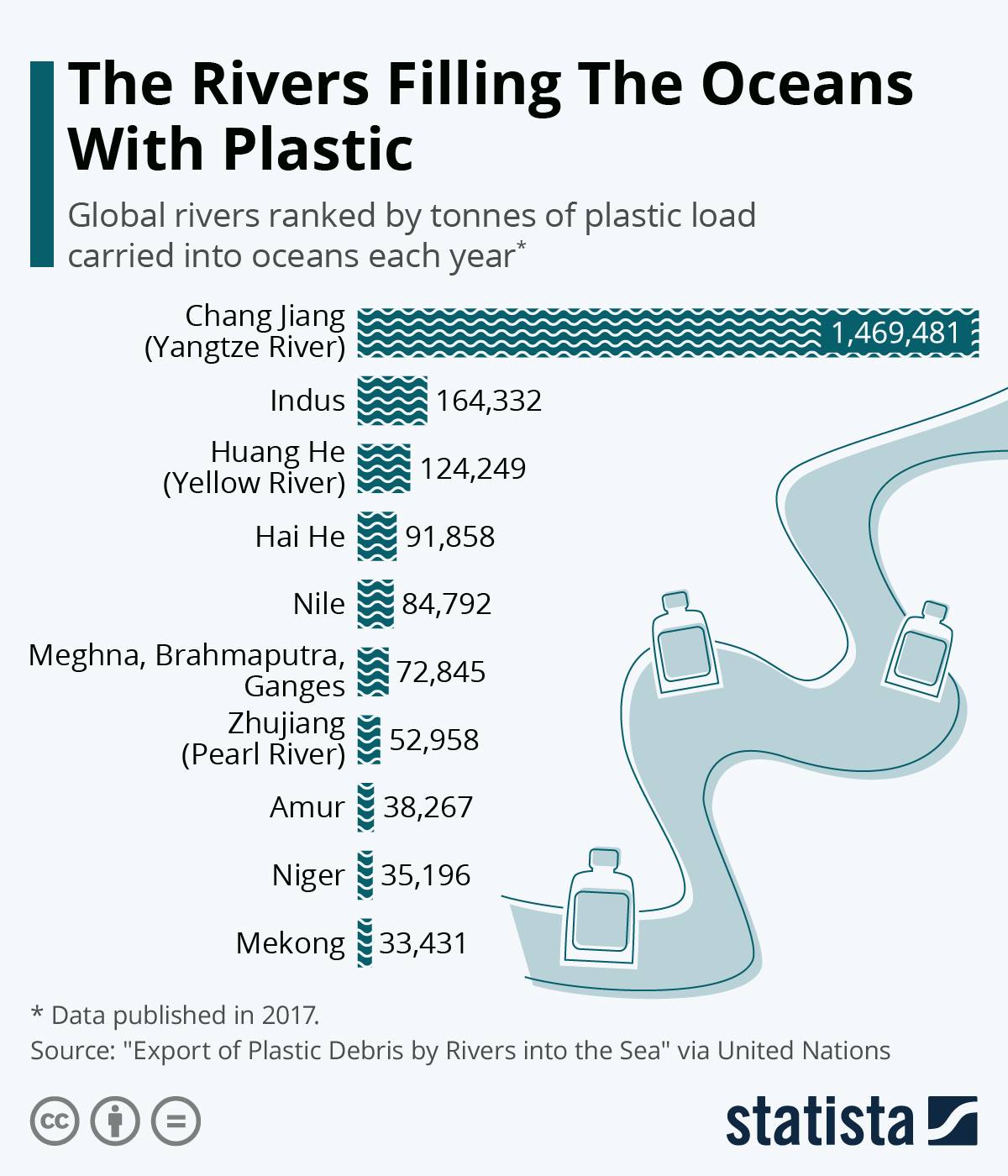
Which Rivers are Filling the Ocean with the Most Plastic Waste
#oceanplastic #plasticwaste #charity #donate#raiseawareness #opdera #greatpacificgarbagepatch#doyourpart
-

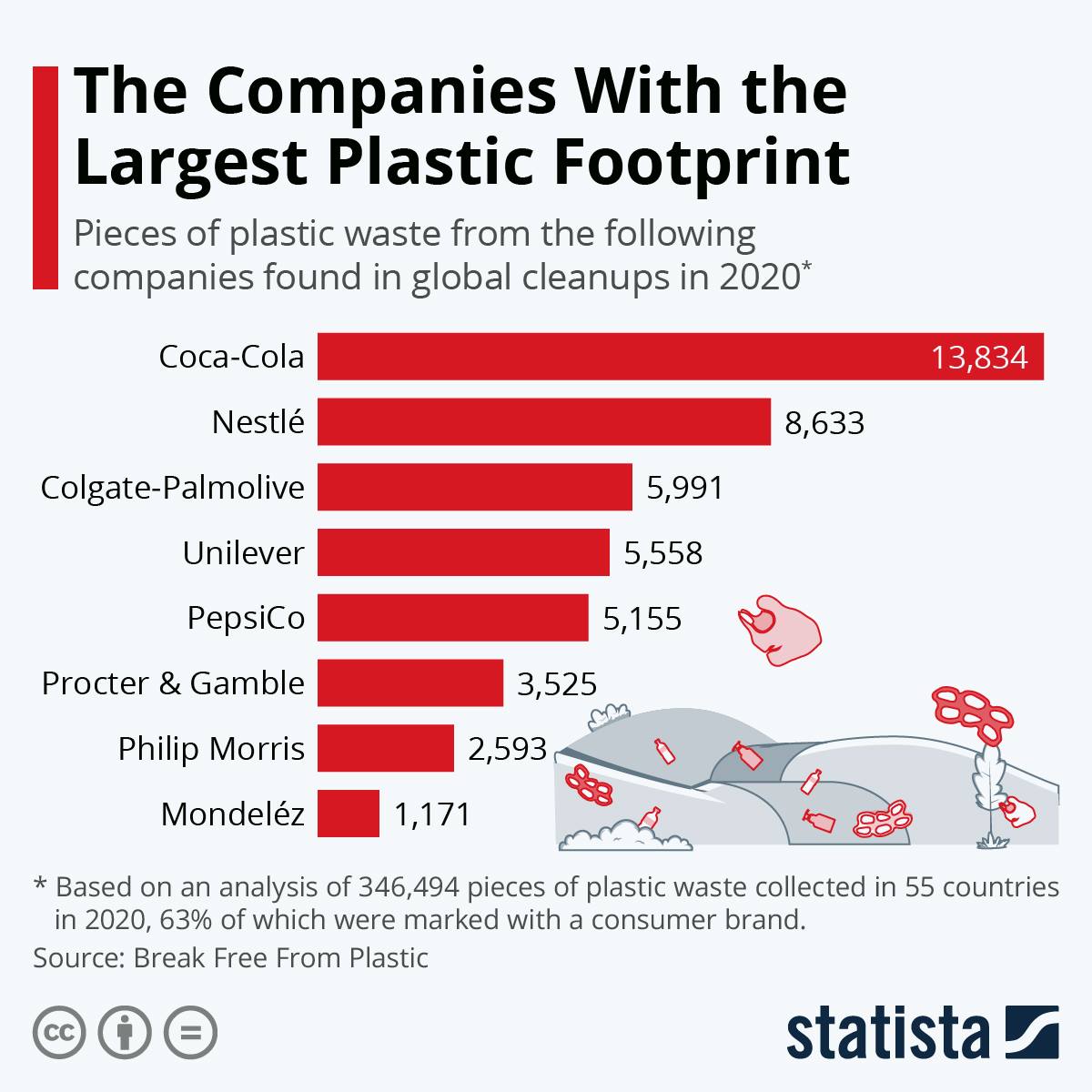
Which Companies Create the Most Plastic Waste
#oceanplastic#plasticwaste#charity#donate#raiseawareness#opdera#greatpacificgarbagepatch#doyourpart
-

OPDERA Highlighted by The Smithsonian Institute
OPDERA.ORG‘s work was highlighted by The Smithsonian Institute for their work and helping researchers gain access to vital data and biological specimens. Follow this link to see a brief description of the work and view a couple photos from OPDERA.ORG‘s voyage to the Great Pacific Garbage Patch.https://lnkd.in/gJnU9ej#environment#charity#greatpacificgarbagepatch#plasticwaste#oceanplastic#oceanpollutionhttps://serc.si.edu/floating-ocean-ecosystem-tracker/why
-
Most plastic packaging is never even collected by waste management and a negligible fraction of the collected packaging is actually recycled.
Plastic is much more difficult to recycle than you were told. Most plastic ends up in a landfill, despite the promotion of plastic recycling. Plastic production has outpaced recycling more than 5x over the past decade.
-
A plastic bag is used on average for 15 minutes.
Plastic is cheap and incredibly versatile. However, these qualities have also resulted in it becoming an environmental issue. We have developed a “disposable” lifestyle and estimates are that around 50% of plastic is used just once and thrown away. On average, plastic bags only have a working life of 15 minutes worldwide.