Category: Recycling

  • How Big Plastic Companies Make You Feel Guilty

    How Big Plastic Companies Make You Feel Guilty

    plastic waste, P&G, ocean plastic, opdera,
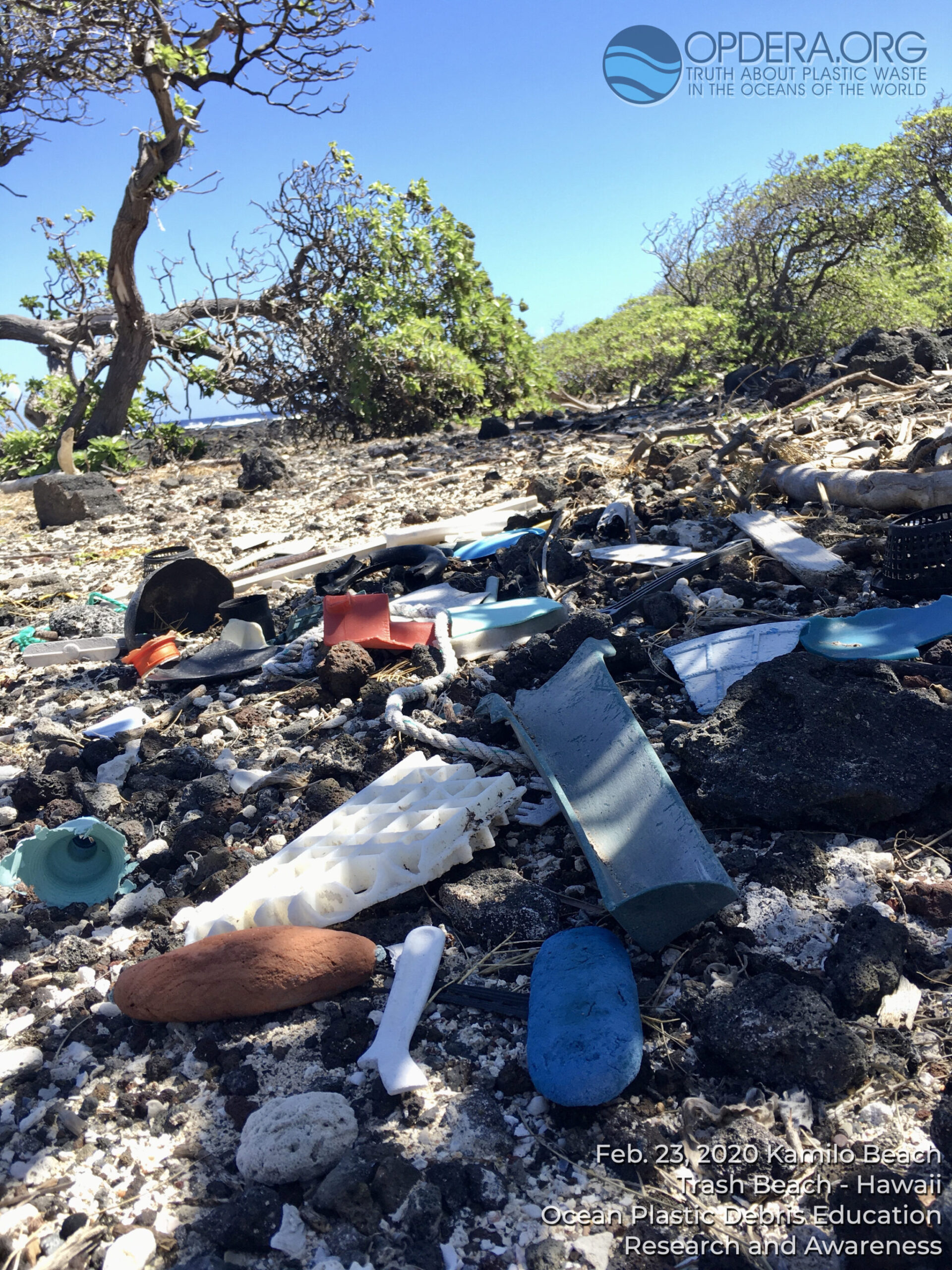
    Kamilo beach, on the big island of hawaii, is known globally as trash beach.

    They make you feel bad about yourself while also making you feel good about them.

    Big brands and big plastic have told us to recycle, knowing that recycling plastic doesn’t work. They had no intention that the plastic would ever be recycled. They make you feel good about their brand and make you feel bad about yourself by saying that you need to stop the plastic pollution problem. It’s your fault, they say. You should do better, they say. You should get your community involved, they say. You can solve this problem, they say. They don’t say that they will stop supplying plastic. They don’t provide you with any alternative packaging options. They don’t pick up your plastic waste themselves and properly dispose of it. They keep making more plastic and blaming you for it while they don’t provide any alternatives.

    An example of corporate propaganda convincing consumers that the brand is not to blame, but the consumers are, is happening right now. This branding campaign with a considerable budget tells you that you are the problem, yet they are upstanding stewards of the Earth. As Janell pointed out in her blog post on Feb 25th, 2020, Lawsuit Calls Out Big Plastic; major brands have been lying to you for decades, spending billions of dollars to convince you that they are good and you need to do your part by recycling.

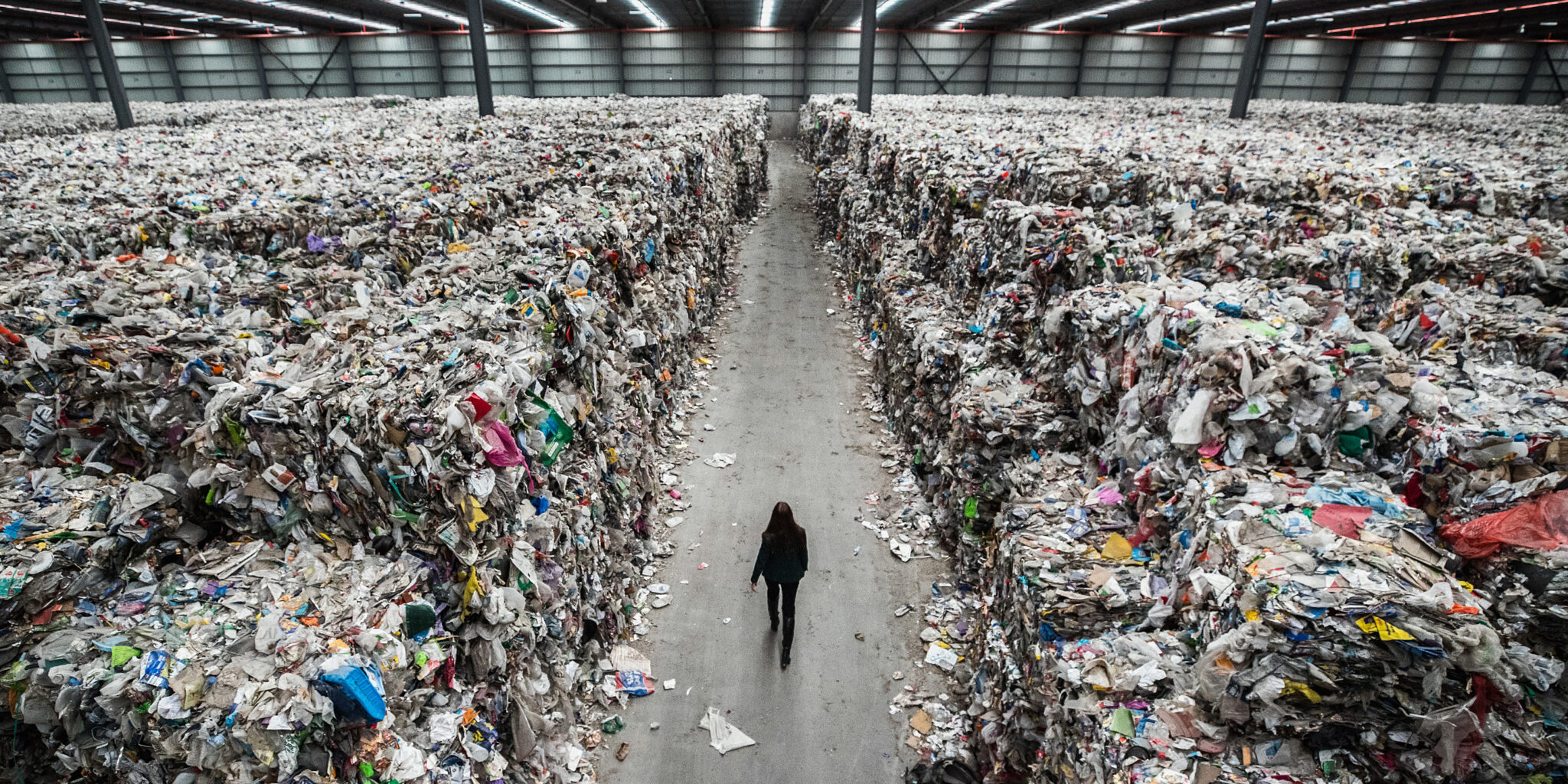
    Plastic cannot be recycled. We know that now. It was all shipped to third-world countries without any expectation that it would be recycled. Big plastic never cared and doesn’t care now. Brands like Coca-Cola, Pepsi, P&G, Unilever, Chevron, Exxon, and many more all teamed up together to sell more plastic by telling you it was safe and recyclable, and you need to do your part. Well, they knew all along that plastic cannot be recycled, and now we are choking on it.

    Plastic is in every breath of air you take, every glass of water you drink (even if it’s tap water), in every snowball you throw and flake you catch on your tongue, and in every raindrop. It’s in all your food, no matter what you eat, even if it’s a vegetable you grew in your own garden, there is plastic in it. It seems like the lie will continue from big brands and big plastic. P&G, Proctor & Gamble, just launched a new ad campaign aimed at making you feel good about them and bad about you, even though they don’t provide you with an alternative to plastic and they don’t clean up their mess. Fast Company published a great article on this subject:

    “Why P&G is asking you to change your habits to save the planet.”

    A young girl named Louisa is a cosmic space traveler who has decided to make Earth her new home planet. She takes the opportunity to point out some new rules that will require us to adjust our consumption habits to save her newly adopted residence. Use cold water. Use less water and electricity. Use recycled plastic and less packaging. “Resource conservation is vital,” she says as Dad turns off the tap while shaving. “My beautiful planet will be respected, which may require some sacrifices.”

    Fast Company’s Jeff Beer writes: Why P&G is asking you to change your habits to save the planet  You can read the full article here: Tide – P&G

  • Recycling is a Myth.

    Recycling is a Myth.

    4 | OPDERA.ORG | The Truth About Plastic Waste In The World's Oceans | Recycling
    Recycling is a myth. | opdera. Org | the truth about plastic waste in the world's oceans recycling

    A study published in the journal Science Advances has revealed that the United States ranks in the top three countries contributing to coastal plastic pollution. This includes scrap plastic exports and the latest figures on illegal dumping and littering in the country. The new research challenges the once-held assumption that the United States is adequately “managing” — that is, collecting and properly landfilling, recycling, or otherwise containing — its plastic waste. Plastic waste management and recycling are a lie.

  • Plastic Production has Created 9.2 Billion Tons of Plastic in 70 Years.

    Plastic Production has Created 9.2 Billion Tons of Plastic in 70 Years.

    3 | OPDERA.ORG | The Truth About Plastic Waste In The World's Oceans | Recycling
    Plastic production has created 9. 2 billion tons of plastic in 70 years. | opdera. Org | the truth about plastic waste in the world's oceans recycling

    Plastic wasn’t invented until the late 19th century, and production really only took off around 1950, we have 9.2 billion tons of plastic to deal with. Of that, more than 6.9 billion tons have become waste. And of that waste, a staggering 6.3 billion tons never made it to a recycling facility—a figure that stunned the scientists who crunched the numbers in 2017.

  • Ocean Pollution May Trigger Next Pandemic

    Ocean Pollution May Trigger Next Pandemic

    2018 11 12 13 03 58 Photos From The Great Pacific Garbage Patch 00125 | OPDERA.ORG | The Truth About Plastic Waste In The World's Oceans | Recycling
    We visit the great pacific garbage patch to show you what is there. Our purpose is to raise awareness of this environmental calamity and help researchers.

    According to an article published today in WorldCrunch, plastic pollution has contaminated our oceans to the point where scientists have now termed the waste as the “Plastisphere.”  Plastic inherently contains toxins.  Plastic pollution in the ocean acts like a sponge, collecting all kinds of different bacterium, and according to scientists, that includes bacteria of the genus Vibrio, the bacterium responsible for cholera.  Bacteria colonizing on plastic pollution in the ocean are “as antibiotic-resistant as the toughest bacteria present in urban environments.”   

    worldcrunch.com/world-affairs/the-plastisphere-ocean-pollution-may-trigger-next-pandemic

  • China Won’t Accept U.S. Plastic Waste

    China Won’t Accept U.S. Plastic Waste

    Plastic Waste, OPDERA, Recycling, Environment
    China won’t accept u. S. Plastic waste | opdera. Org | the truth about plastic waste in the world's oceans recycling

    China has stopped accepting plastic waste from the US. They never recycled it anyway, because it cannot be recycled. It is now known that US Waste companies never expected that it would be recycled. They just shipped it to China to deal with.

    #oceanplastic #plasticwaste #charity #donate
    #raiseawareness #opdera #greatpacificgarbagepatch
    #doyourpart

  • Most plastic packaging is never even collected by waste management and a negligible fraction of the collected packaging is actually recycled.

    Most plastic packaging is never even collected by waste management and a negligible fraction of the collected packaging is actually recycled.

    11 | OPDERA.ORG | The Truth About Plastic Waste In The World's Oceans | Recycling
    Most plastic packaging is never even collected by waste management and a negligible fraction of the collected packaging is actually recycled. | opdera. Org | the truth about plastic waste in the world's oceans recycling

    Plastic is light, easy to store and transport comes in an endless variety of textures and shapes and can hold almost anything. Those properties make it attractive to manufacturers and packagers, who use it for everything from ketchup bottles to disposable utensils. Unfortunately, plastic is much more difficult to recycle than materials like glass, aluminum, or paper. Most plastic ends up in a landfill, despite the promotion of plastic recycling. Plastic production has outpaced recycling more than 5x over the past decade.

  • A plastic bag is used on average for 15 minutes.

    A plastic bag is used on average for 15 minutes.

    10 | OPDERA.ORG | The Truth About Plastic Waste In The World's Oceans | Recycling
    A plastic bag is used on average for 15 minutes. | opdera. Org | the truth about plastic waste in the world's oceans recycling

    Plastic is cheap and incredibly versatile. However, these qualities have also resulted in it becoming an environmental issue. We have developed a “disposable” lifestyle and estimates are that around 50% of plastic is used just once and thrown away. On average, plastic bags only have a working life of 15 minutes worldwide.

  • 90.5% of plastic waste ever made has never been recycled.

    90.5% of plastic waste ever made has never been recycled.

    9 | OPDERA.ORG | The Truth About Plastic Waste In The World's Oceans | Recycling
    90. 5% of plastic waste ever made has never been recycled. | opdera. Org | the truth about plastic waste in the world's oceans recycling

    Plastic waste already posed a challenge to the departments working to recycle and reduce pollution as it is not biodegradable. This problem only doubled when major programs’ waste collection was too inefficient to have a noticeable impact. It was reported that about 90% of all plastic waste was never recycled at all.

  • Rolling Stone Gets it Right – Recycling is a Myth

    Rolling Stone Gets it Right – Recycling is a Myth

    planet plastic feature 2 | OPDERA.ORG | The Truth About Plastic Waste In The World's Oceans | Recycling

    Rolling Stone Magazine’s article on plastic waste hits the nail on the head.  False claims of recycling benefits made by petroleum companies and soda companies like Coke and Pepsi are placed front and center as Tim Dickinson tells the truth about plastic waste.   Clearly Tim Dickinson did his homework when writing this article. 
    ​The full article can be found here