OPDERA Blog
-

You Need to Watch This Now
CNBC’s Katie Brigham and her team kill it in this 15 min. video about plastics. The plastic waste that is flooding the Earth is unprecedented. You must take 15 min. to watch this today! The video clearly and articulately describes the problem we face, how it developed, what is happening now, and how we can…
-

Clothing pollutes the ocean.
CNN: “Tiny microfiber strands, washed into the ocean from laundering our clothes or from industrial wastewater, are polluting one of the most remote regions on Earth. These microfibers can eventually flow into rivers, waterways and, ultimately, the ocean.” Learn more at:www.opdera.org Source:https://www.cnn.com/…/arctic-polyester…/index.html #zerowaste #plasticfree #plasticpollution #recycle #environment #plasticfreeliving #planetorplastic #reuse #breakfreefromplastic #ecofriendly #nowaste #plasticfreejuly #plastic…
-

Criminal Gangs Are Cashing In On Plastic Junk
VICE: “Interpol said late last year it’s seen a spike in organized criminal efforts to smuggle cargo containers carrying recyclable plastic and non-recyclable plastic scrap from rich countries into Southeast Asia.” Learn more at:www.opdera.org Source:https://www.vice.com/…/criminal-gangs-are-cashing-in-on… #zerowaste #plasticfree #plasticpollution #recycle #environment #plasticfreeliving #planetorplastic #reuse #breakfreefromplastic #ecofriendly #nowaste #plasticfreejuly #plastic #zerowasteliving #sustainable #plasticpollutes #passonplastic #zerowastelifestyle #reduceplastic #lowwaste…
-
The Great Pacific Garbage Patch – where did the plastic waste come from?
“The North Pacific is home to an enormous swirl of plastic waste twice the size of Texas known as the Great Pacific Garbage Patch, but how the trash made its way to the region has been a mystery among scientists – until now.” – Daily MailLearn more at:www.opdera.org Source:https://bit.ly/3uOwdNr #zerowaste #plasticfree #plasticpollution #recycle #environment #plasticfreeliving…
-
Most Plastic Waste Ends up in the Ocean.
You might be surprised, or even disgusted, to learn that most plastic waste ends up in the environment, even when you thought it was being recycled. Research shows plastic waste most commonly leaks into the environment in the country to which it’s shipped. Plastics that you put in the recycling bin were never intended to…
-

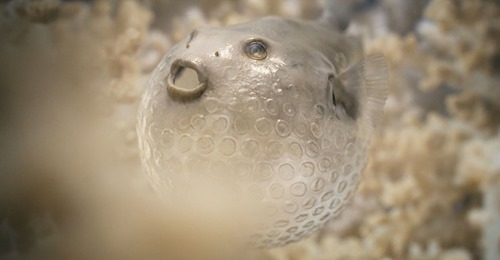
Plastic Marine Life
Have you ever wondered what marine life would like if it was made up partly of plastic? Watch this short video.
-
80% of Marine Pollution Originates on Land.
The harm caused by plastic pollution is wide-ranging. It chokes wildlife above and below the waterline. An estimated one million sea birds and an unknown number of sea turtles die each year due to plastic debris clogging their digestive tracts, and marine animals of all sorts can become tangled and incapacitated by discarded fishing lines…
-
Waste Enters our Oceans Through Many Ways.
waste reaching oceans includes sewage disposal, fertilizers from farms, solid garbage from cities/industries, and oil spills and drains. All of these raise the ocean’s contamination levels, which has already horrifyingly damaged the food chain of marine life.
-
Sharks are a Critically Endangered Species.
The number of oceanic sharks and rays worldwide has fallen by 71% over the last 50 years, according to a study that found that some formerly abundant, wide-ranging species — including the Great Hammerhead — have declined so steeply that they are now classified as critically endangered.
-
People Consume Microplastic Without Knowledge or Consent.
Greenpeace’s research has found that Taiwanese annually eat at least 16,300 units, or 1.05 grams, of microplastics from shellfish, cephalopods (including octopi and squids), and fish, which is equivalent to a single plastic straw.
-
10 Million Tons of Plastic Enter the Ocean Every Year.
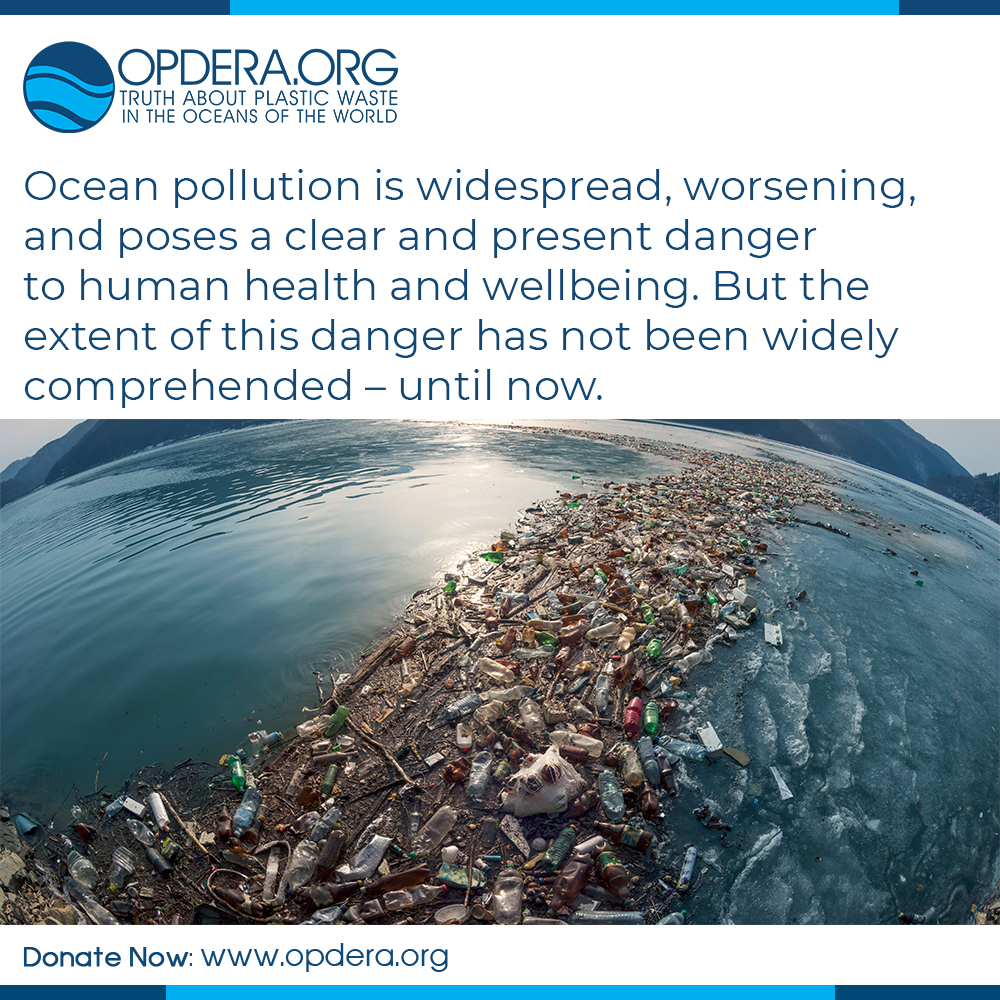
Plastic waste is the most visible component of ocean pollution. More than ten million tons of plastic enter the seas every year.
-
Plastic Waste Fills Ocean Canyons.
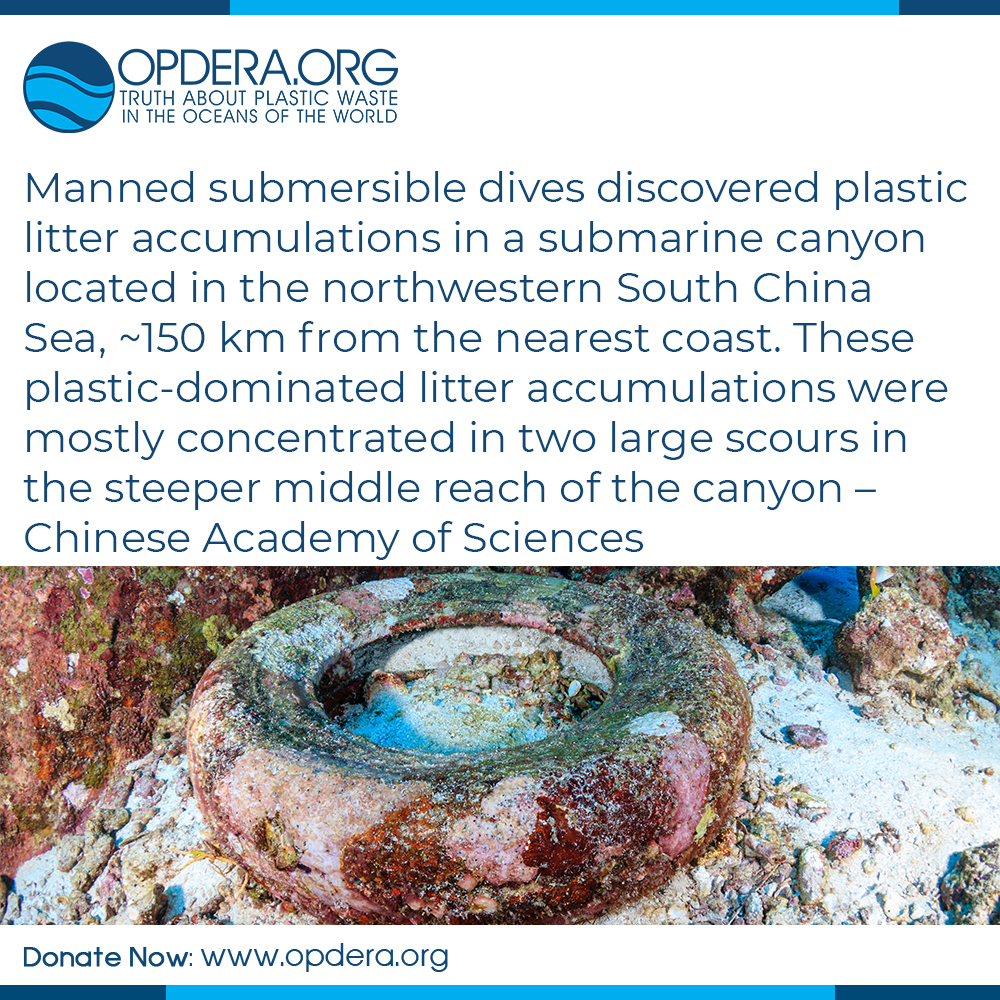
Evidence collected from a series of manned submersible dives indicates that the plastic litter items transported and deposited in the deep ocean canyon are most likely controlled by turbidity currents. Here the plastic litter items are highly heterogeneously distributed: Up to 89% of them occur in a few canyons.
-
There are 5.2 Trillion Pieces of Plastic in the Ocean.
Although scientists have known for decades about the accumulating mass of ocean debris and its deadly consequences for seabirds, fish, and other marine animals, the science of sea trash is young and full of as-yet unsolved mysteries. Almost nothing was known about the amount of plastic in remote regions of the Southern Hemisphere, for example,…