
Recycling is a Myth.
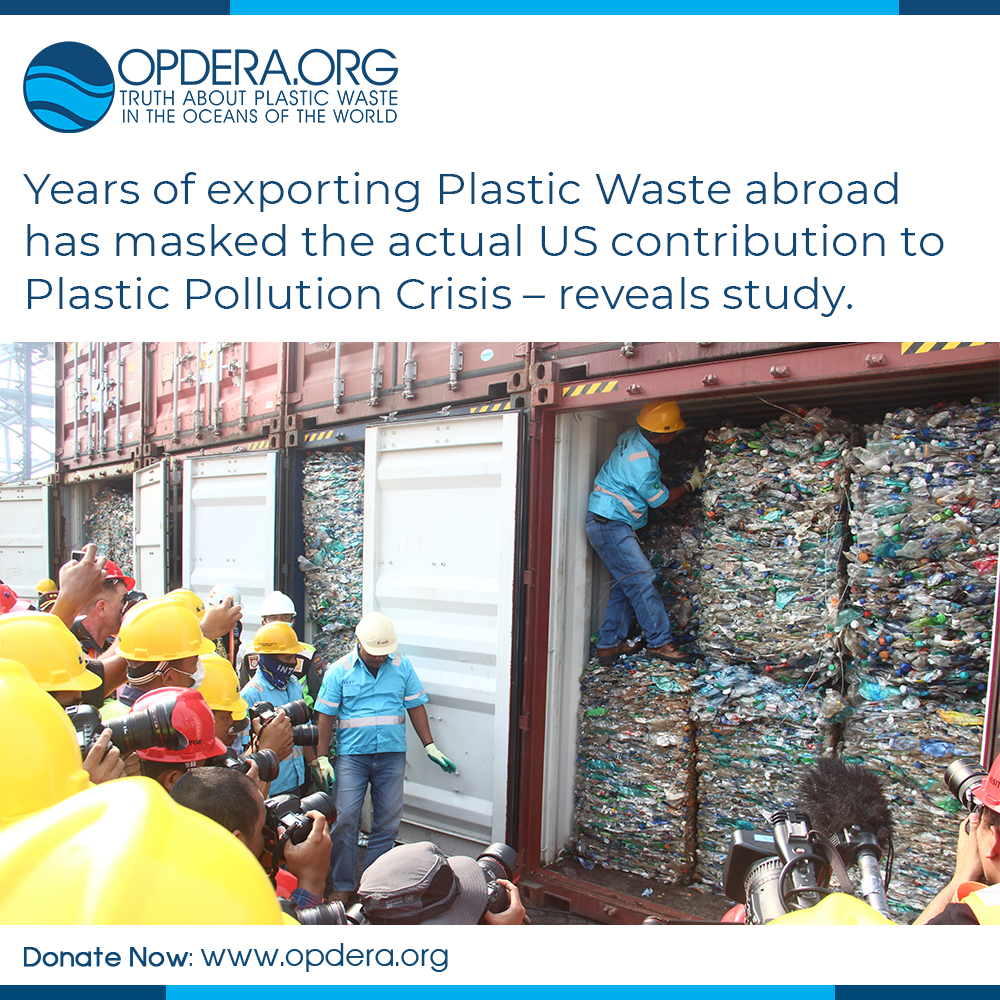
A study published in the journal Science Advances has revealed that the United States ranks in the top three countries contributing to coastal plastic pollution. This includes scrap plastic exports and the latest figures on illegal dumping and littering in the country. The new research challenges the once-held assumption that the United States is adequately “managing” — that is, collecting and properly landfilling, recycling, or otherwise containing — its plastic waste. Plastic waste management and recycling are a lie.
Plastic Production has Created 9.2 Billion Tons of Plastic in 70 Years.
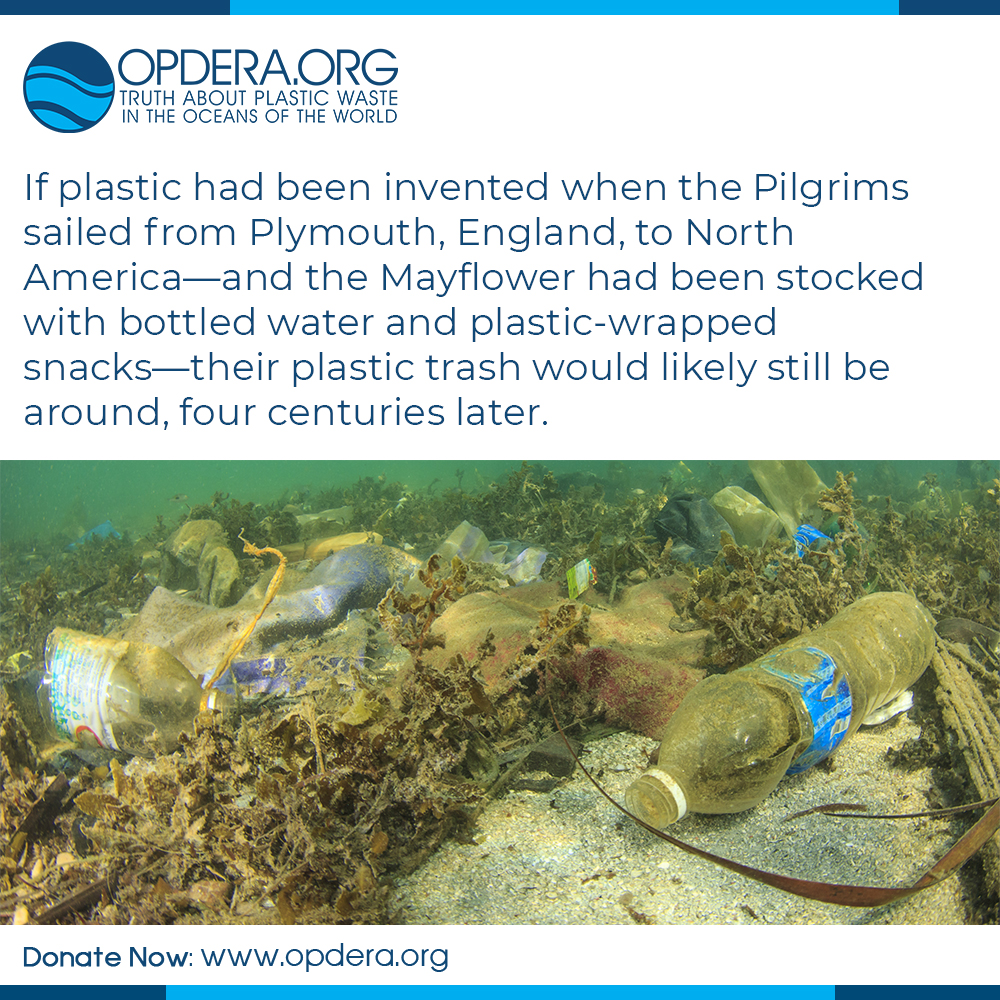
Plastic wasn’t invented until the late 19th century, and production really only took off around 1950, we have 9.2 billion tons of plastic to deal with. Of that, more than 6.9 billion tons have become waste. And of that waste, a staggering 6.3 billion tons never made it to a recycling facility—a figure that stunned the scientists who crunched the numbers in 2017.
Ghost Gear is the Deadliest Form of Marine Plastic Debris.

“Ghost Gear,” fishing equipment lost in the sea, can continue killing marine life.
Manufactured chemicals in plastic waste cause serious health problems.
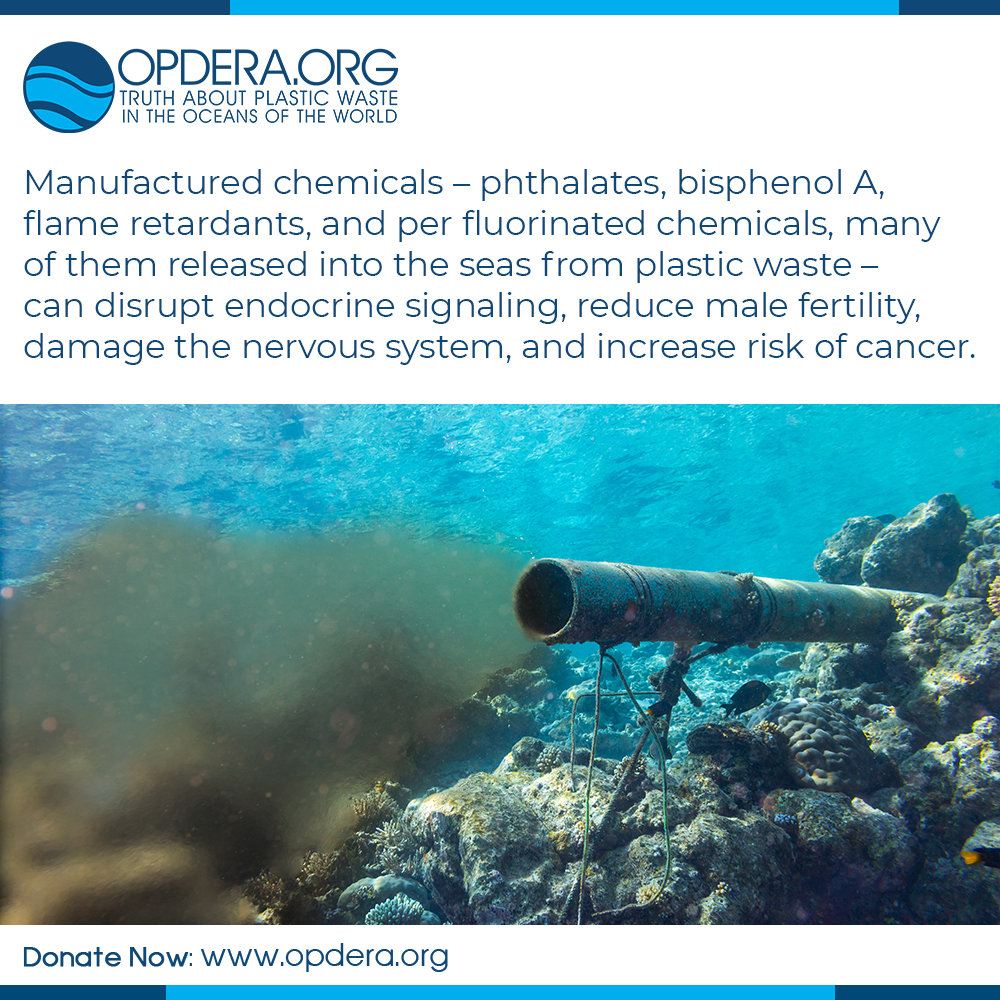
50% of all human males will be sterile by 2050. Plastic chemicals responsible for testosterone depletion, and many other forms of human infertility.
Ocean Pollution May Trigger Next Pandemic
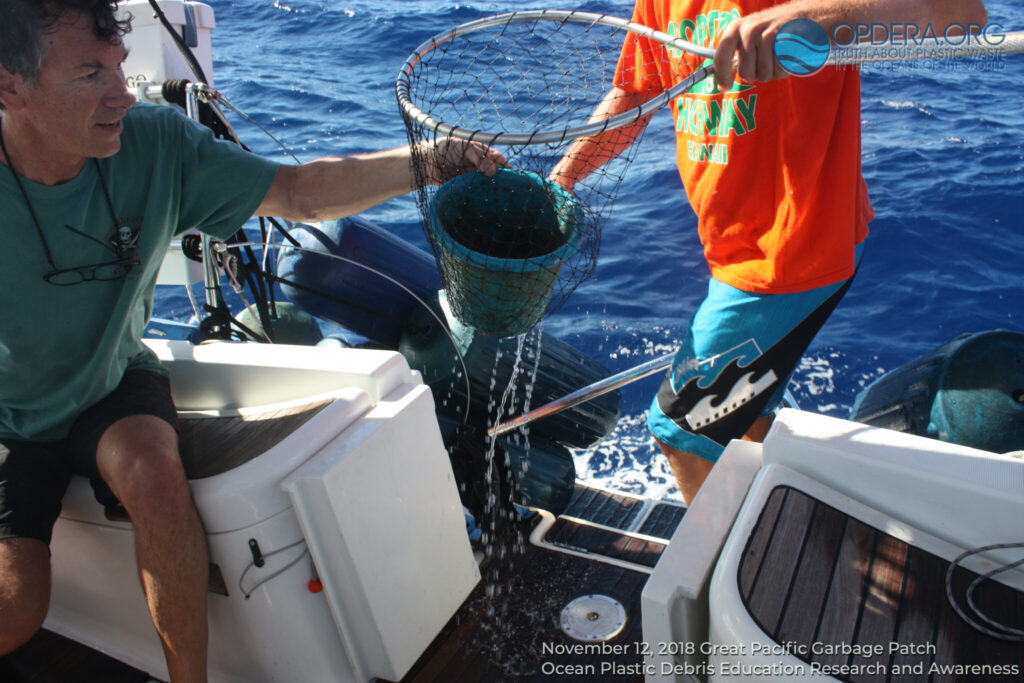
Scientists have now termed the waste as the “Plastisphere.” Plastic inherently contains toxins. Plastic pollution in the ocean acts like a sponge, collecting all kinds of different bacterium, and according to scientists, that includes bacteria of the genus Vibrio, the bacterium responsible for cholera. Bacteria colonizing on plastic pollution in the ocean are “as antibiotic-resistant as the toughest bacteria present in urban environments.”
China Won’t Accept U.S. Plastic Waste
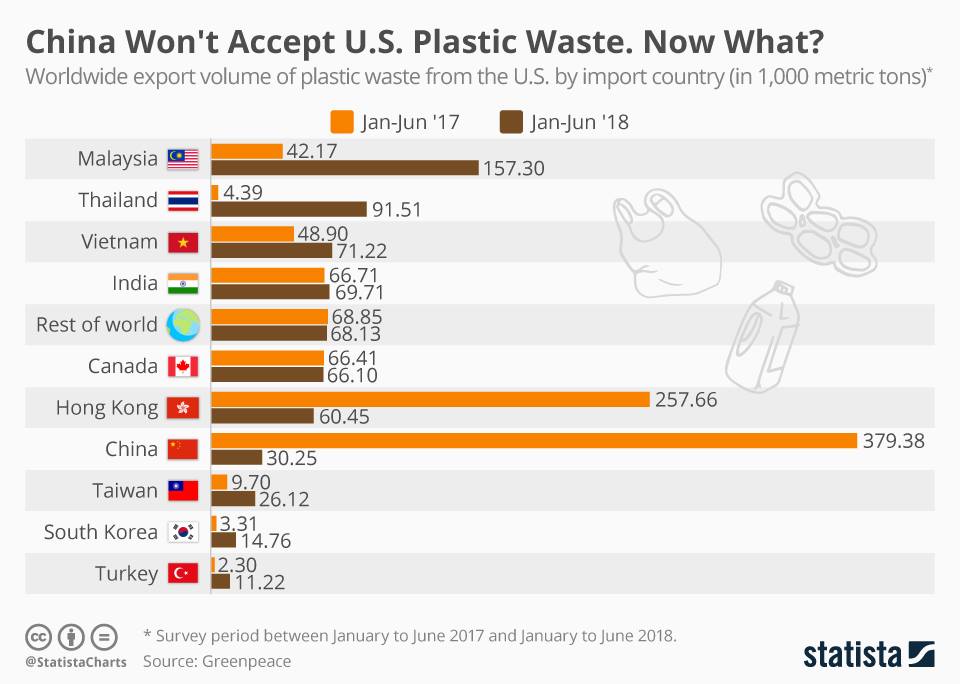
China has stopped accepting plastic waste from the US. They never recycled it anyway, because it cannot be recycled. It is now known that US Waste companies never expected that it would be recycled. They just shipped it to China to deal with. #oceanplastic #plasticwaste #charity #donate#raiseawareness #opdera #greatpacificgarbagepatch#doyourpart
Malaysia becomes the number one country to import plastic waste.
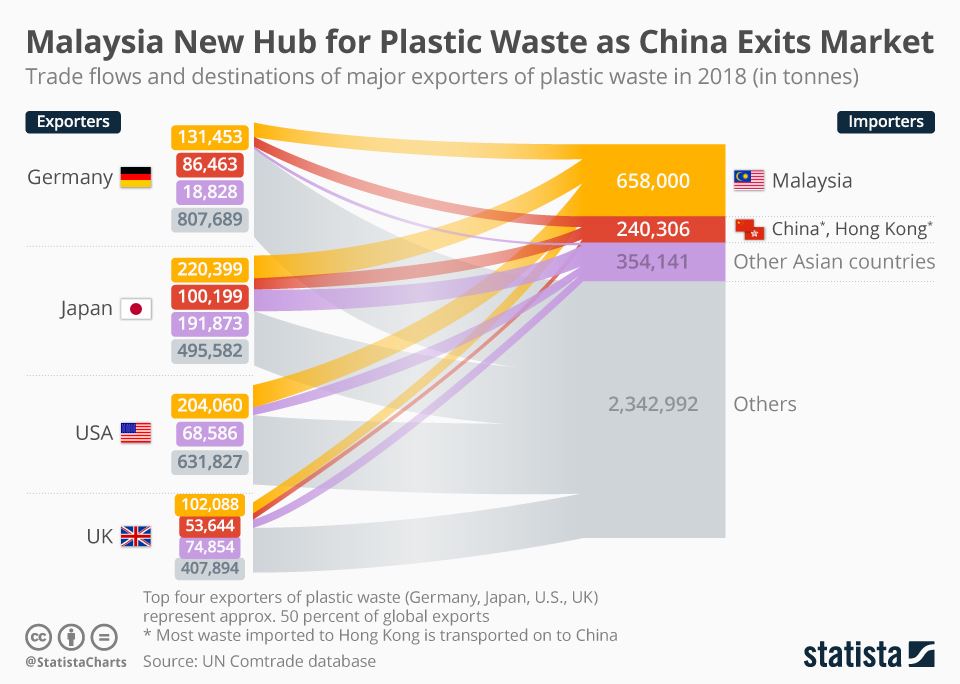
Malaysia becomes the number one country to import plastic waste upon China’s exit from the market. And they are choking on all the plastic that cannot be recycled. #oceanplastic #plasticwaste #charity #donate#raiseawareness #opdera #greatpacificgarbagepatch#doyourpart
Which Rivers are Filling the Ocean with the Most Plastic Waste
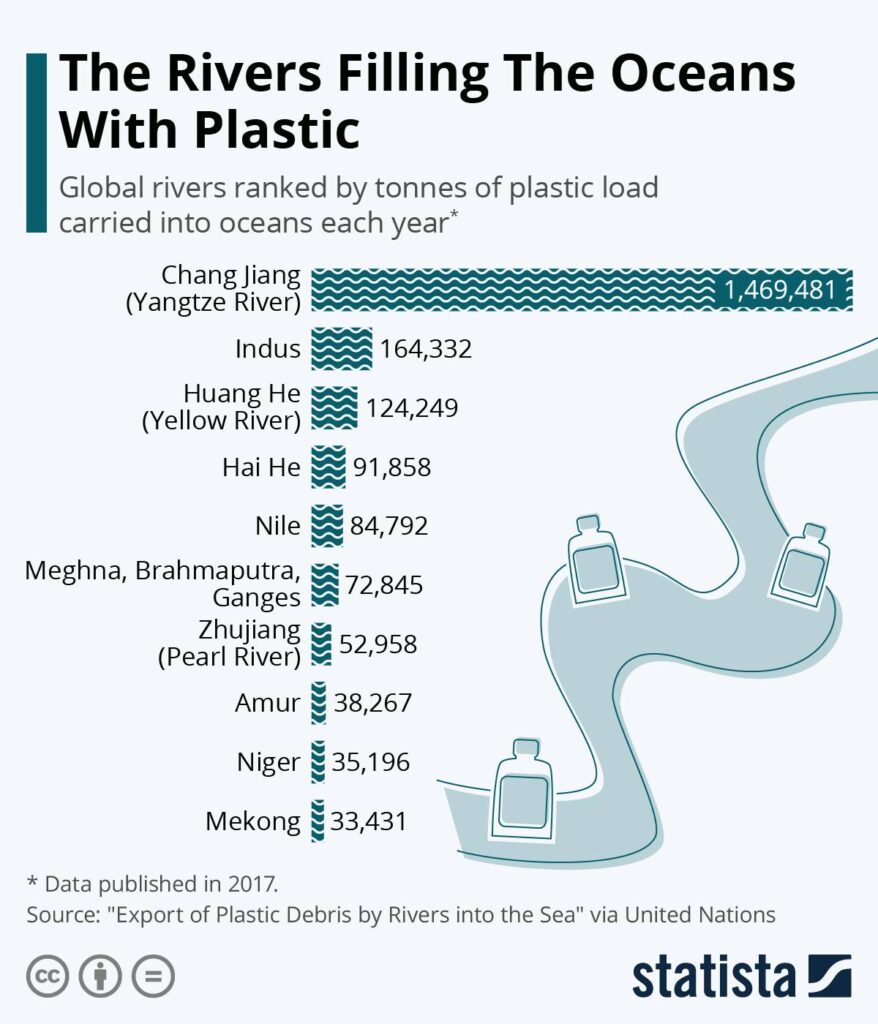
#oceanplastic #plasticwaste #charity #donate#raiseawareness #opdera #greatpacificgarbagepatch#doyourpart
Which Companies Create the Most Plastic Waste
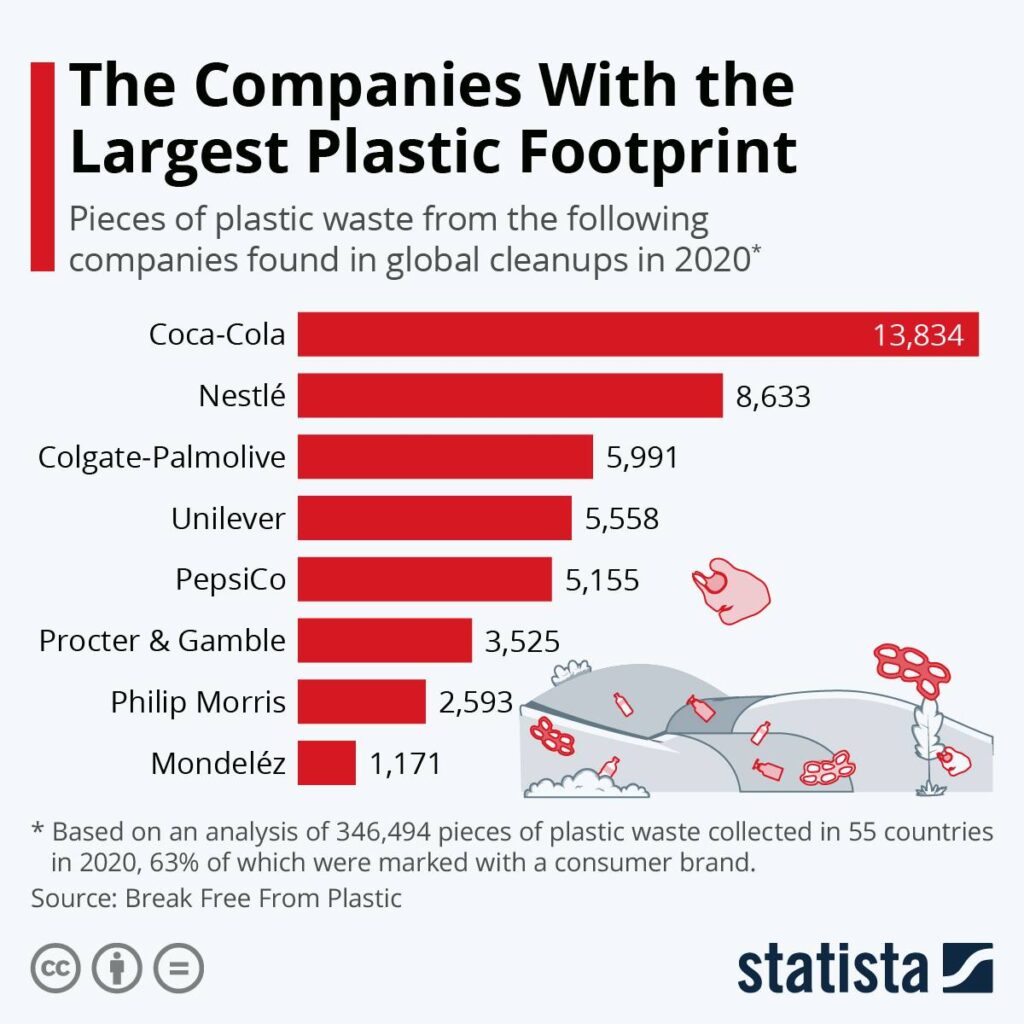
#oceanplastic#plasticwaste#charity#donate#raiseawareness#opdera#greatpacificgarbagepatch#doyourpart
OPDERA Highlighted by The Smithsonian Institute

OPDERA.ORG‘s work was highlighted by The Smithsonian Institute for their work and helping researchers gain access to vital data and biological specimens. Follow this link to see a brief description of the work and view a couple photos from OPDERA.ORG‘s voyage to the Great Pacific Garbage Patch.https://lnkd.in/gJnU9ej#environment#charity#greatpacificgarbagepatch#plasticwaste#oceanplastic#oceanpollutionhttps://serc.si.edu/floating-ocean-ecosystem-tracker/why
Most plastic packaging is never even collected by waste management and a negligible fraction of the collected packaging is actually recycled.
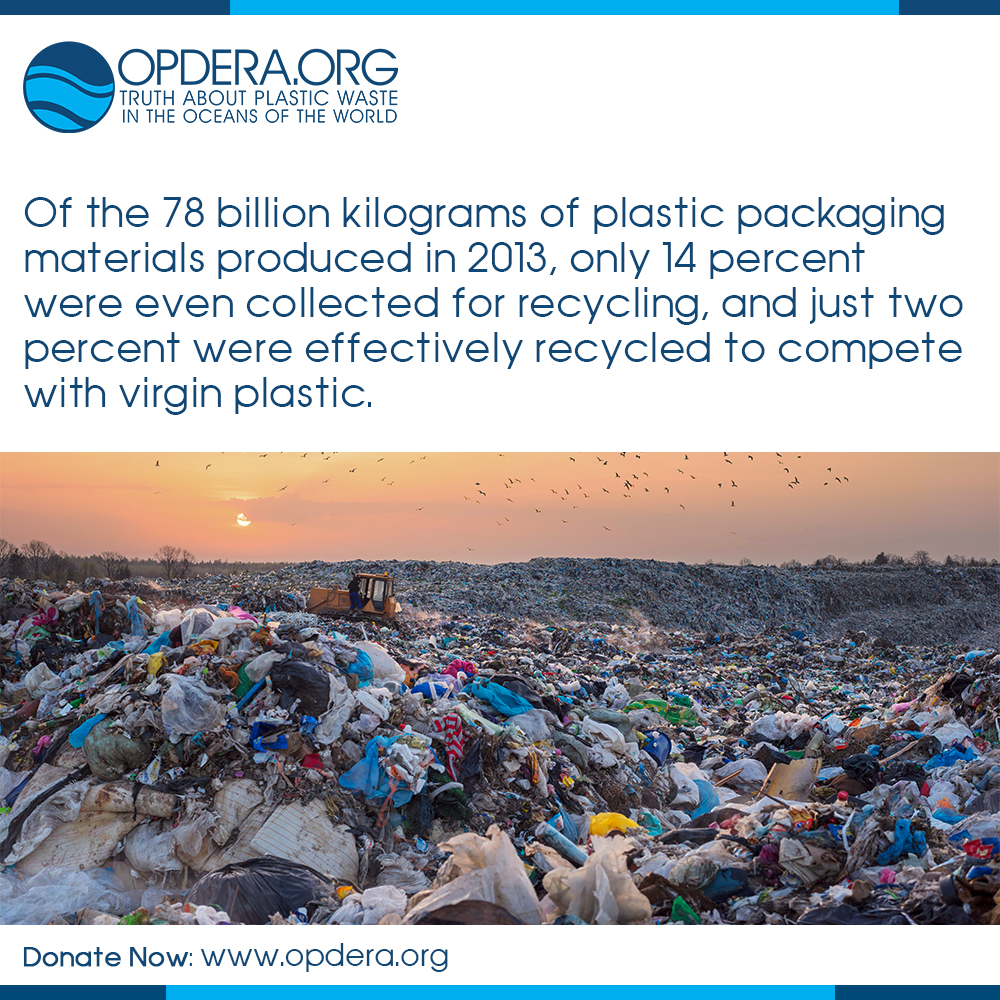
Plastic is much more difficult to recycle than you were told. Most plastic ends up in a landfill, despite the promotion of plastic recycling. Plastic production has outpaced recycling more than 5x over the past decade.
A plastic bag is used on average for 15 minutes.
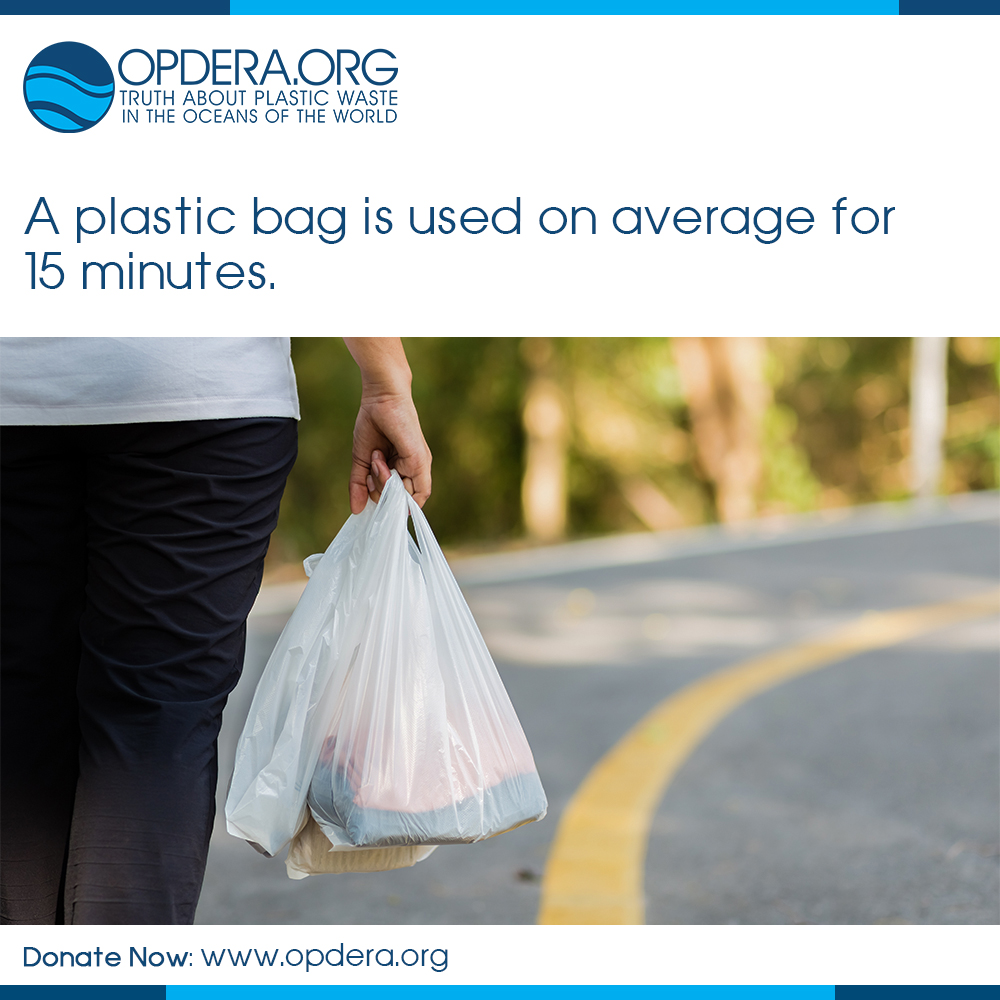
Plastic is cheap and incredibly versatile. However, these qualities have also resulted in it becoming an environmental issue. We have developed a “disposable” lifestyle and estimates are that around 50% of plastic is used just once and thrown away. On average, plastic bags only have a working life of 15 minutes worldwide.
90.5% of plastic waste ever made has never been recycled.
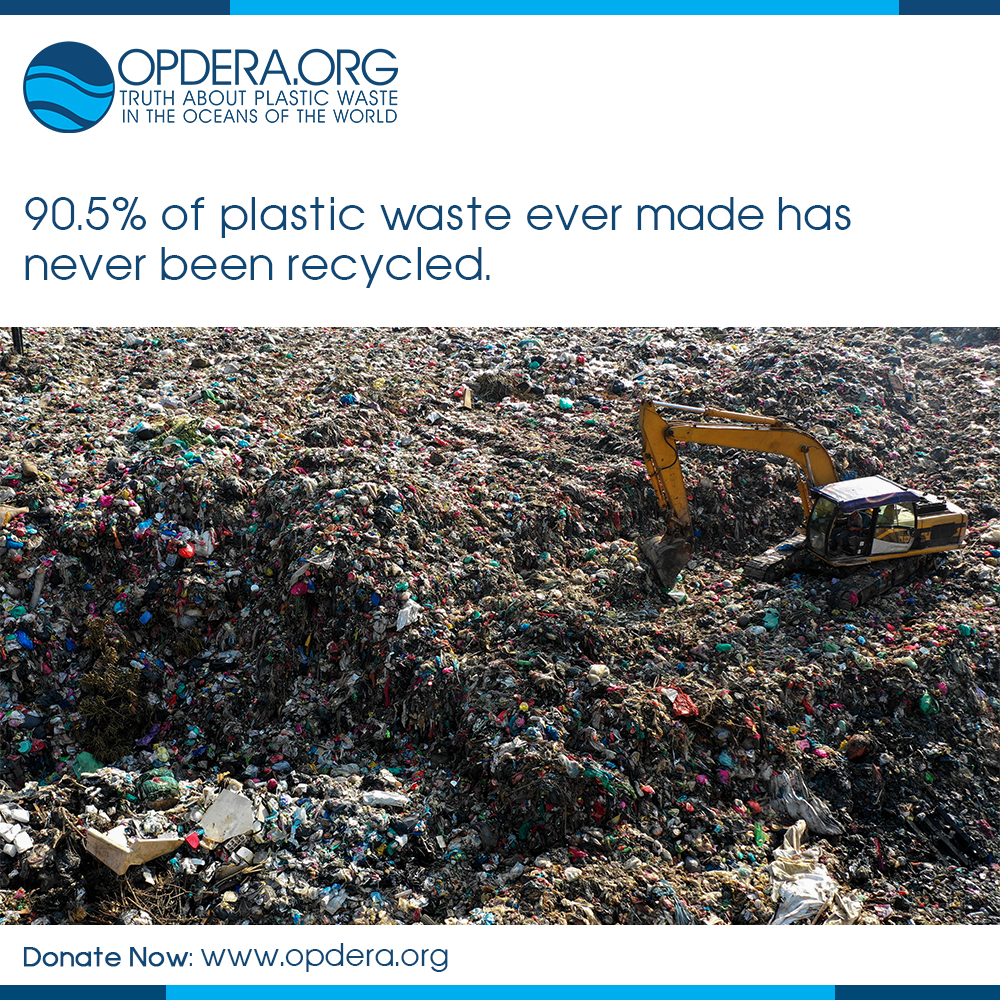
Plastic waste already posed a challenge to the departments working to recycle and reduce pollution as it is not biodegradable. This problem only doubled when major programs’ waste collection was too inefficient to have a noticeable impact. It was reported that about 90% of all plastic waste was never recycled at all.
1 in 3 fish caught for human consumption contains plastic.
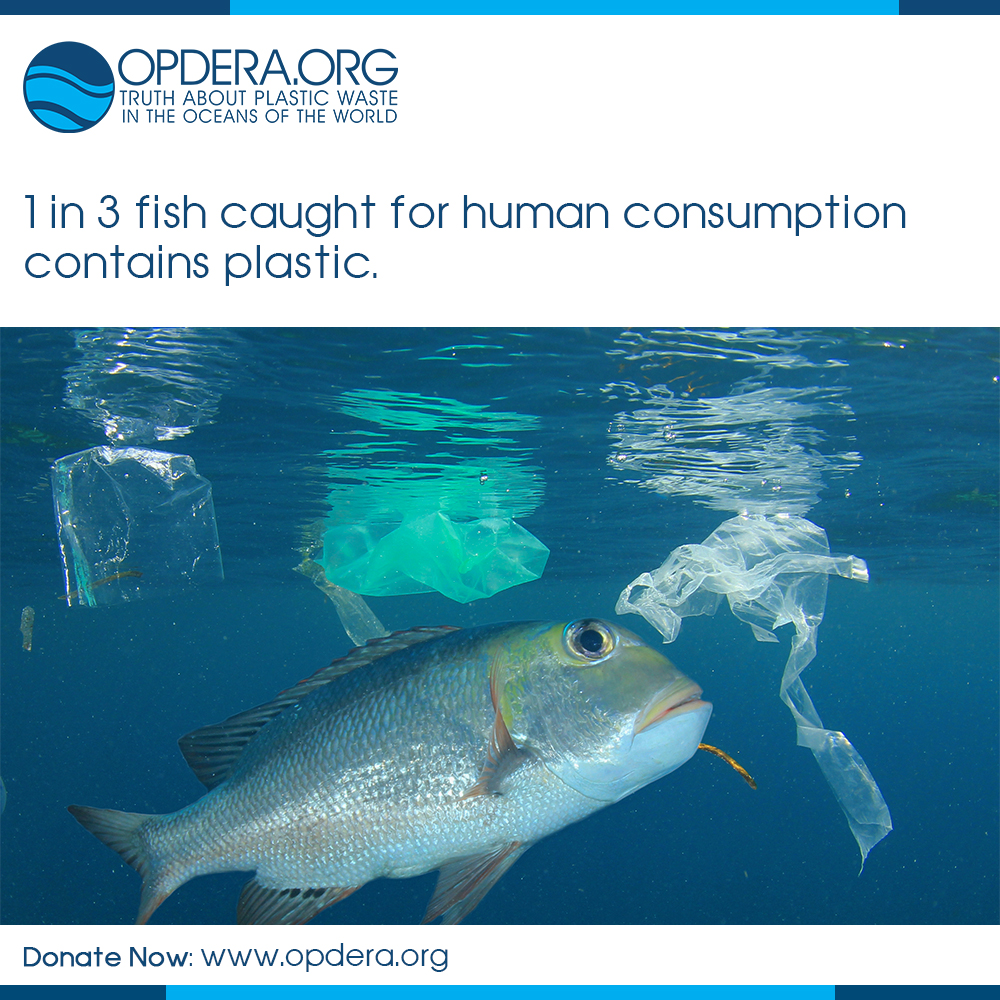
Research has shown that more than 1 in 3 fish for human consumption contains plastic. It’s estimated seafood lovers eat 11,000 pieces of toxic plastic every year. Microplastic can be found in tap water, beer and salt.
The world uses 500 billion single-use plastic bags every year.
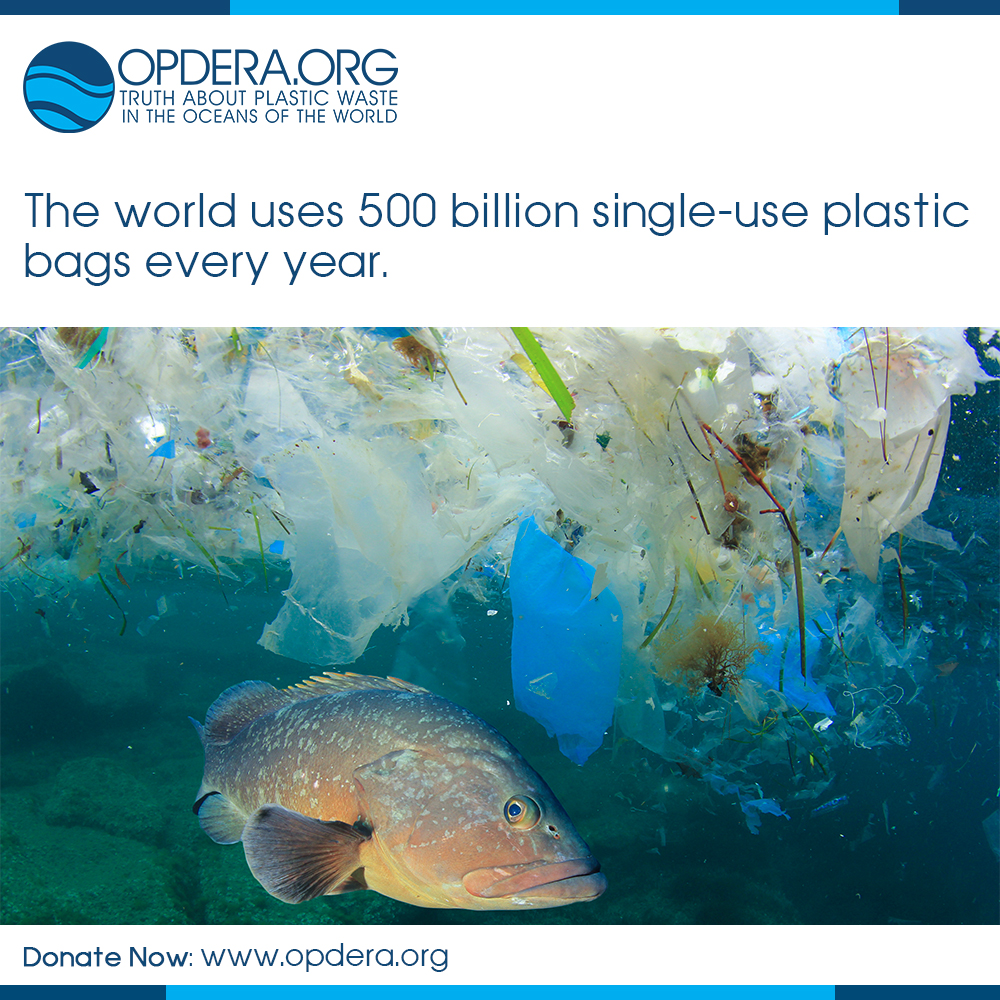
It is futile to think of recycling right now. Even when disposed of properly, plastic bags are so lightweight and flimsy, they are easily picked up and carried by the wind. They escape from bins and landfills and end up littering the countryside, blowing down the street, flapping from trees, clogging drains, and making their way out to sea.
More than 1 million seabirds and 100,000 marine animals die from plastic pollution every year.
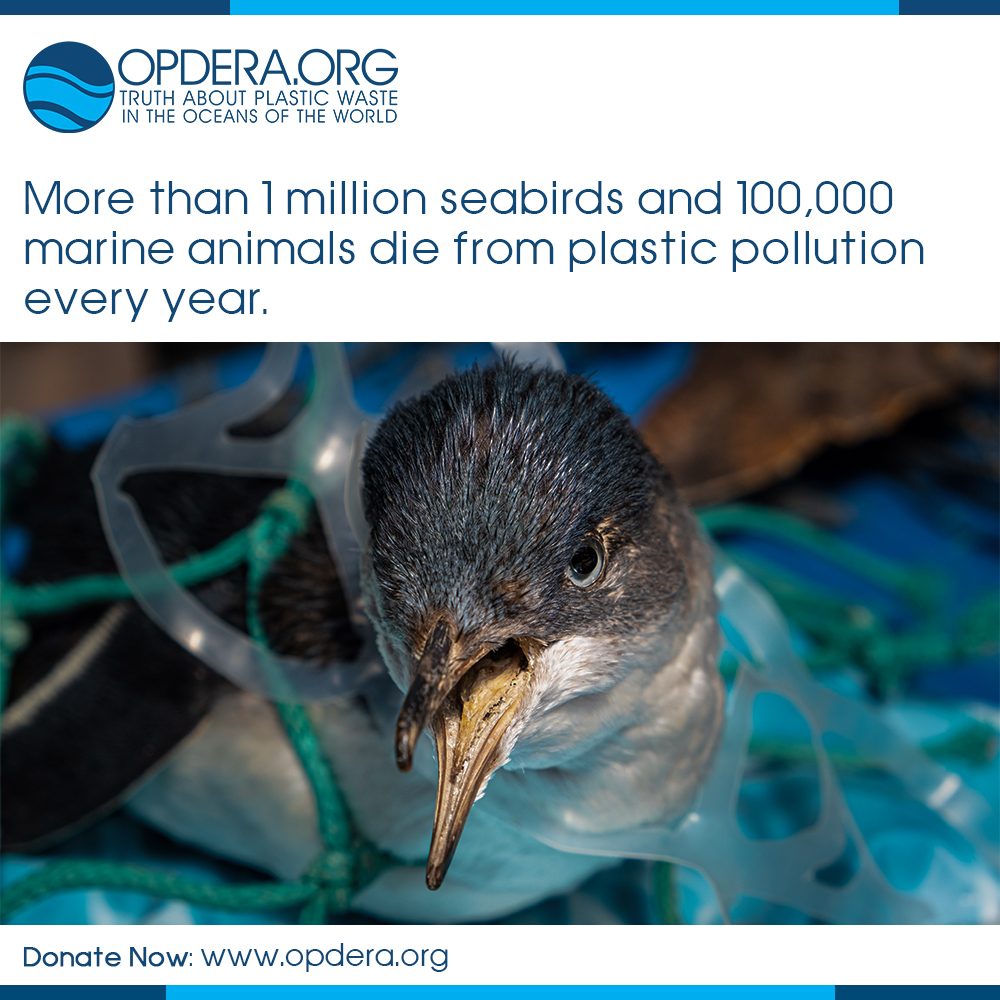
Marine litter is a vicious killer of marine mammals, seabirds, and many other life forms in the marine and coastal environment. It also entails substantial economic costs and losses to, e.g., fishermen, coastal communities, farmers, power stations, and individuals.
Read more about Marine Pollution in the report published by the United Nations Environment Programme
How Much Plastic Enters The Ocean, and Where Does it Come From?
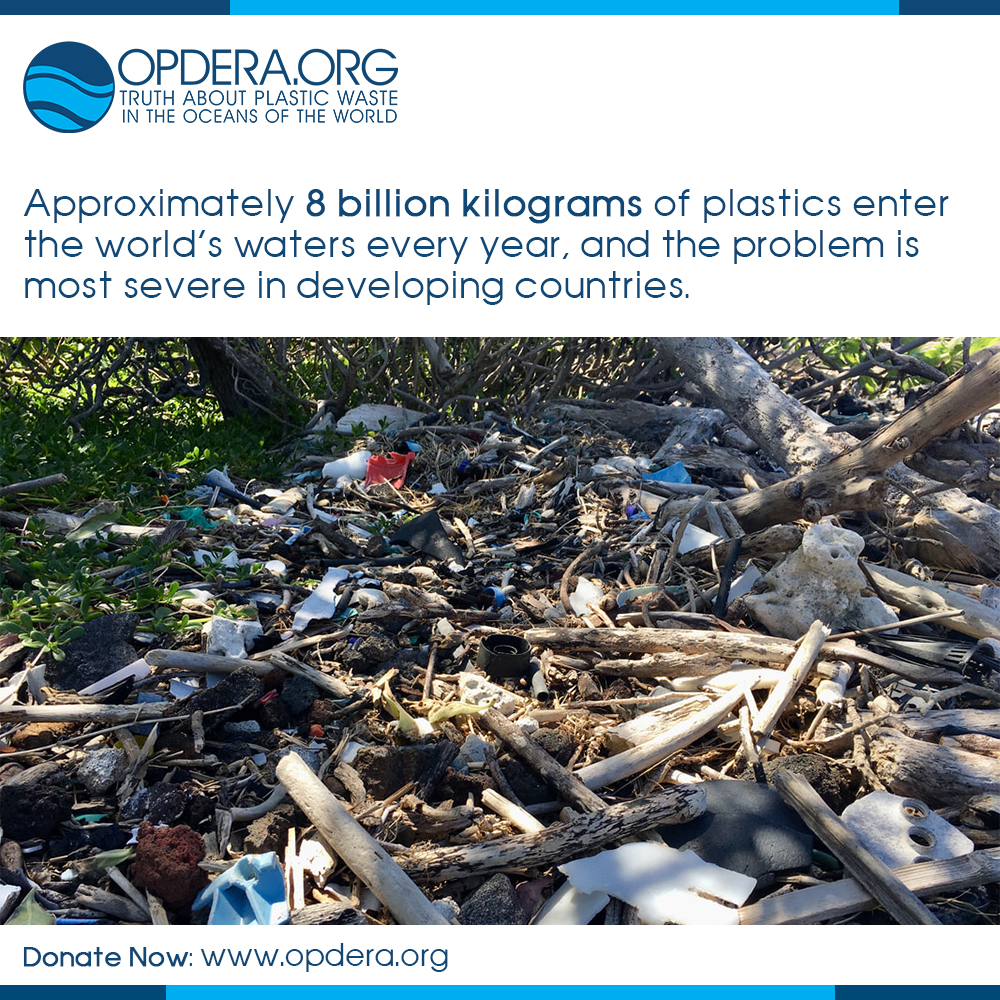
Roughly 8 billion kilograms of plastics enter the world’s waters every year. The problem is most acute in emerging coastal economies. The volume of plastic entering oceans can be hard to comprehend, admits Jenna Jambeck, an engineering professor at the University of Georgia who has published pathbreaking science that quantifies plastic “leakage” to the oceans.
Thank You Amelie!

Amelie has helped OPDERA in many ways. Her interests in solving the world’s plastic crisis have motivated her to help OPDERA. Amelie has done this by spreading the word via speaking engagements, projects in and out of school, and social media.
Rolling Stone Gets it Right – Recycling is a Myth
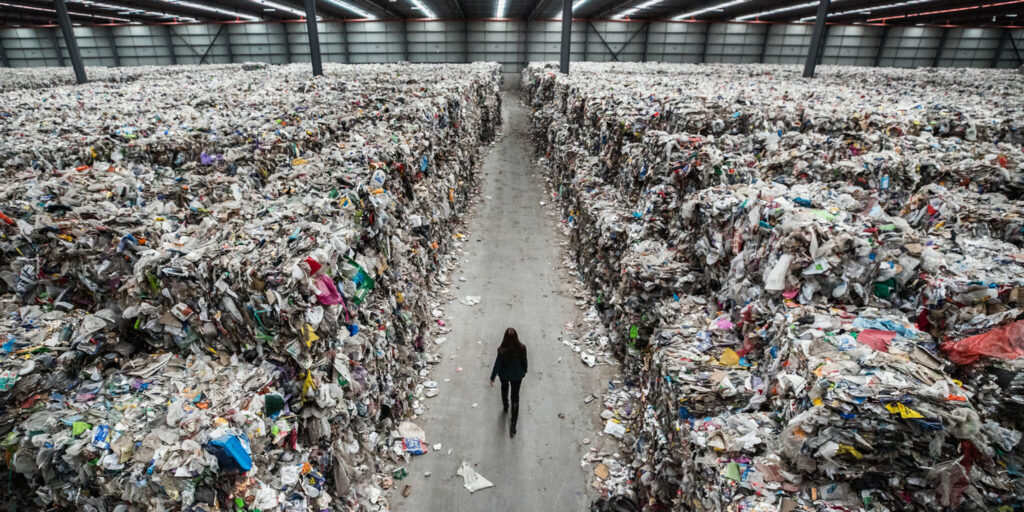
Rolling Stone Magazine’s article on plastic waste hits the nail on the head. False claims of recycling benefits made by petroleum companies and soda companies like Coke and Pepsi are placed front and center as Tim Dickinson tells the truth about plastic waste. Clearly, Tim Dickinson did his homework when writing this article. Read the full […]


