OPDERA Blog
-

You Need to Watch This Now
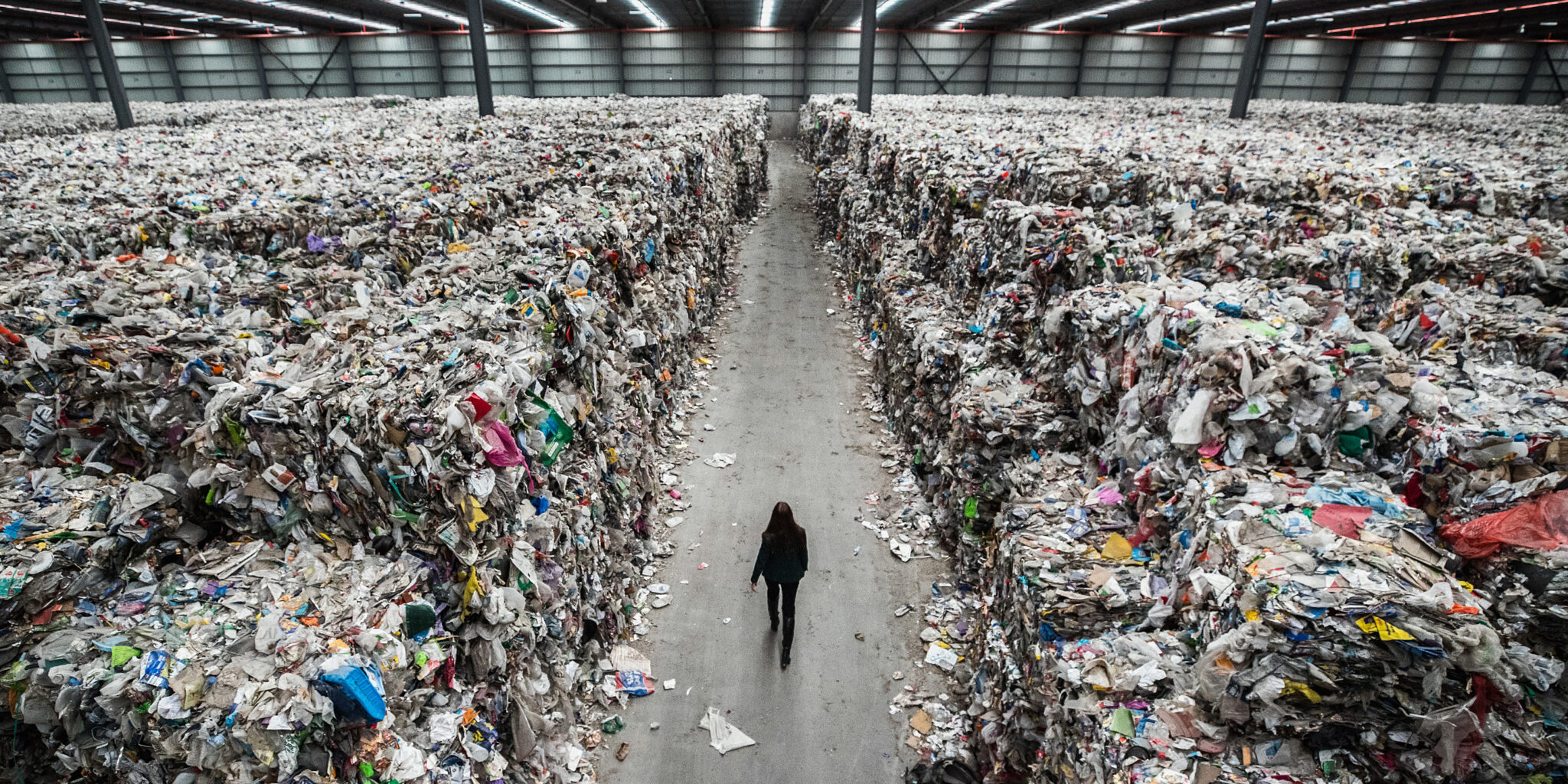
CNBC’s Katie Brigham and her team kill it in this 15 min. video about plastics. The plastic waste that is flooding the Earth is unprecedented. You must take 15 min. to watch this today! The video clearly and articulately describes the problem we face, how it developed, what is happening now, and how we can…
-

90.5% of plastic waste ever made has never been recycled.
Plastic waste already posed a challenge to the departments working to recycle and reduce pollution as it is not biodegradable. This problem only doubled when major programs’ waste collection was too inefficient to have a noticeable impact. It was reported that about 90% of all plastic waste was never recycled at all.
-
1 in 3 fish caught for human consumption contains plastic.
Research has shown that more than 1 in 3 fish for human consumption contains plastic. It’s estimated seafood lovers eat 11,000 pieces of toxic plastic every year. Microplastic can be found in tap water, beer and salt.
-
The world uses 500 billion single-use plastic bags every year.
It is futile to think of recycling right now. Even when disposed of properly, plastic bags are so lightweight and flimsy, they are easily picked up and carried by the wind. They escape from bins and landfills and end up littering the countryside, blowing down the street, flapping from trees, clogging drains, and making their…
-
More than 1 million seabirds and 100,000 marine animals die from plastic pollution every year.
Marine litter is a vicious killer of marine mammals, seabirds, and many other life forms in the marine and coastal environment. It also entails substantial economic costs and losses to, e.g., fishermen, coastal communities, farmers, power stations, and individuals. Read more about Marine Pollution in the report published by the United Nations Environment Programme
-

WORST EVER CONTAINER DISASTER UPDATE – Where will containers lost and abandoned by ONE Apus in the Pacific Ocean end up?
On November 30, 2020, The Ocean Network Express’s (“ONE”) Apus, a 14,000 TEU containership built-in 2019 measuring 364-meters in length and sailing under the Japanese flag, lost thousands of containers overboard in one of the worst container ship disasters.
-
How Much Plastic Enters The Ocean, and Where Does it Come From?
Roughly 8 billion kilograms of plastics enter the world’s waters every year. The problem is most acute in emerging coastal economies. The volume of plastic entering oceans can be hard to comprehend, admits Jenna Jambeck, an engineering professor at the University of Georgia who has published pathbreaking science that quantifies plastic “leakage” to the oceans.
-

WORST EVER CONTAINER DISASTER – ONE Apus Loses 1,861 Cargo Containers in the Pacific Ocean – One month after sister ship loses 100
The container ship, ONE Apus, was en route from China to Long Beach, CA, when it hit bad weather, causing it to roll and lose approximately 1,861 containers 1600nm Northwest of Hawaii.
-

Thank You Amelie!
Amelie has helped OPDERA in many ways. Her interests in solving the world’s plastic crisis have motivated her to help OPDERA. Amelie has done this by spreading the word via speaking engagements, projects in and out of school, and social media.
-

The Plastic Cloud
Plastic Clouds are now known to drop a thousand tons of plastic each year on the National Parks of The Western United States alone.
-

Rolling Stone Gets it Right – Recycling is a Myth
Rolling Stone Magazine’s article on plastic waste hits the nail on the head. False claims of recycling benefits made by petroleum companies and soda companies like Coke and Pepsi are placed front and center as Tim Dickinson tells the truth about plastic waste. Clearly Tim Dickinson did his homework when writing this article. The full article…
-

Lawsuit Calls Out Big Plastic
Lawsuit names big brands that are the largest contributors to plastic waste. The filing clearly articulates their campaign to mislead consumers about recycling.