Category: Plastic Waste

  • Premier: The Great Pacific Garbage Patch Documentary

    Premier: The Great Pacific Garbage Patch Documentary

    Great Pacific Garbage Patch Premier | OPDERA.ORG | The Truth About Plastic Waste In The World's Oceans | Plastic Waste
    Premier: the great pacific garbage patch documentary | opdera. Org | the truth about plastic waste in the world's oceans plastic waste

    Join Capt. Russ and Capt. Charles Moore Friday Nov. 8th @ 5:30

    Join us for the Screening of:
    The Great Pacific Garbage Patch Documentary.
    Friday, November 8 · 5:30 – 8pm PST
    Sports Basement Presidio
    610 Old Mason Street San Francisco, CA 94129
    get tickets here: https://www.eventbrite.com/e/premier-the-great-pacific-garbage-patch-documentary-tickets-1044292034587?aff=oddtdtcreator


    Capt. Charles Moore discovered the Great Pacific Garbage Patch some 30 years ago. During a sail on his sailboat from Hawaii to California, he noticed something extraordinarily dire. He stopped for several days to learn all he could about what was happening in this incredibly remote and desolate region of the earth. What he initially described as “trash for as far as you could see, right in the middle of the ocean” is now referred to as the Great Pacific Garbage Patch. 

    Capt. Charles Moore has returned to the exact locations several times and taken samples of the plastic debris in the Great Pacific Garbage Patch for further study. 

    In 1997, Captain Charles Moore was sailing from Hawaii to California when he noticed a steady stream of plastics bobbing in the ocean. He had discovered the Great Pacific Garbage Patch.

    The South Korean Broadcasting System film crew sailed to the Great Pacific Garbage Patch with Capt. Moore, and filmed this impressive documentary. Now, you can see what is in this no-holds-barred, genuine, raw documentary. See for the first time this incredible footage above and below the waterline, the vastness of the garbage patch, and the remoteness and desolation of this difficult-to-reach region of the earth. 

  • You Need to Watch This Now

    You Need to Watch This Now

    Screen Shot 2022 01 30 at 1 14 57 PM | OPDERA.ORG | The Truth About Plastic Waste In The World's Oceans | Plastic Waste

    CNBC’s Katie Brigham and her team kill it in this 15 min. video about plastics. The plastic waste that is flooding the Earth is unprecedented. You must take 15 min. to watch this today!

    The video clearly and articulately describes the problem we face, how it developed, what is happening now, and how we can fix it. Just 15 min. and you will learn the truth about plastic waste in the world’s oceans. I know you can spare 15 min. to watch this today. Get off FaceBook, TikTok, Instagram, Snapchat, Twitter, stop watching reruns of Keeping Up With The Kardashians, stop whatever you are doing, and watch this video. 15 minutes. Just 15 minutes. 15 minutes to save the oceans.

    Please do it now.

    How the fossil fuel industry is pushing plastics on the world

  • Fundraising – Volunteer

    Fundraising Volunteers help us manage our donor relationships, communications, and identify new donors. Help us save the oceans from plastic waste!

  • Ocean Weather Expertise – Volunteer

    Ocean Weather Expertise Volunteers help us on our voyages to the Great Pacific Garbage Patch. This can be done as an eye-in-sky constantly making comms with our vessel on the high seas. Ocean Weather Expertise Volunteers also join us on our voyages at times.

  • Ocean Biology Expertise – Volunteer

    Ocean Biology Expertise Volunteers help on voyages to the Great Pacific Garbage Patch and ensure everyone is told the truth about plastic waste. Assist in research and content curation to spread the word about plastic waste in the world’s oceans.

  • Database Programming – Volunteer

    Database Programming Volunteers help maintain our unified research reporting database to ensure data collection volunteers, as well as institution researchers, have access to our operationally secure and effective database structure.

    Knowledge of and experience working with database tools such as MongoDB, Elasticsearch, and the Elk Stack.

  • Database Management – Volunteer

    Database Management Volunteers help maintain our unified research reporting database to ensure data collection volunteers, as well as institution researchers, have access to our operationally secure and effective database structure.

    Knowledge of and experience working with database tools such as Apache Cassandra, Elasticsearch, and the Elk Stack.

  • Marketing – Content, PR, Social – Volunteer

    Marketing – Content, PR, Social Volunteers curate and deploy content and thought leadership about saving the oceans from plastic waste.

    Help us save the oceans from plastic waste!

  • Web server Engineering – Volunteer

    Web server Engineering – Volunteers help ensure business continuity, security, and optimal performance of our presence on the internet.

  • Website Design – Volunteer

    Website Design Volunteers help keep our online presence fresh, engaging, and online. Experienced WordPress developers and designers, and process flow engineers are needed to help save the world’s oceans from plastic waste.

  • Photo Editing/Identify items in photographs – Volunteer

    Photo Editing/Identify Items in photos – Volunteers are photo editing professionals reviewing photos taken from onboard shipping vessels and smaller vessels on the high seas. Photos are uploaded to an online repository system where you can review the photos and tag marks in the photos that appear to be plastic waste in the ocean. The marks or tags that you place in the photos will then be confirmed and documented for GPS locations, then submitted to ocean plastic waste researchers.

  • Video Editing/Identify Items in videos – Volunteer

    Video Editing/Identify Items in videos – Volunteers are video editing professionals reviewing drone footage taken from onboard shipping vessels and smaller vessels. Videos are uploaded to an online repository system where you can review videos and tag marks in the video that appear to be plastic waste in the ocean. The marks or tags that you place in the videos will then be confirmed and documented for GPS locations, then submitted to ocean plastic waste researchers.

  • Vessel Repair/Maintenance – Volunteer

    Vessel Repair/Maintenance – Volunteer

    Vessel Repair/Maintenance expert to help maintain our vessels to ensure readiness for ocean crossings.

    Expert in small boat repairs of sailing vessels less than 80 feet LOA. Capable of performing repairs of fiberglass, rigging – standing and running, sails, vessel pumping, electrical, water maker, engine maintenance, zincs, through-hulls, and all other facets of vessel maintenance.

    Vessels are located in San Francisco and Honolulu.

    Our vessels make regular voyages between Hawaii and California to conduct research on the Great Pacific Garbage Patch.

  • Ocean Sailing – Volunteer

    Ocean Sailing – Volunteer

    Experienced Ocean Sailor

    Sailing on the high seas to document and research plastic waste in the world’s oceans.

    Must have experience sailing on the high seas for extended periods of time, greater than three weeks between ports.

    Must have your own personal open ocean sailing gear and safety equipment: foulies, hydrostatic PFD, MOB1, and other safety and personal gear/kit.

    Capable of documenting the experience sailing on the high seas, and providing references.

  • Another marine fatality caused by plastic waste.

    Another marine fatality caused by plastic waste.

    CA Logo Whale | OPDERA.ORG | The Truth About Plastic Waste In The World's Oceans | Plastic Waste
    Another marine fatality caused by plastic waste. | opdera. Org | the truth about plastic waste in the world's oceans plastic waste

    BBC: “Scientists have revealed a list of items found in a stomach of a sperm whale which died after stranding on the Isle of Harris. The list included stacks of cups, packing straps, squid beaks embedded in the ball of litter, three bundles of fishing rope, fragments of rubber gloves, and rubber tubing.”

    Learn more at:
    www.opdera.org

    Source:
    https://www.bbc.co.uk/…/uk-scotland-highlands-islands…

    #zerowaste #plasticfree #plasticpollution #recycle #environment #plasticfreeliving #planetorplastic #reuse #breakfreefromplastic #ecofriendly #nowaste #plasticfreejuly #plastic #zerowasteliving #sustainable #plasticpollutes #passonplastic #zerowastelifestyle #reduceplastic #lowwaste #saynotoplastic #zerowastehome #sustainability #singleuseplastic #pollution #zeroplastic #savetheplanet #noplastic #ocean #endlesspossibilities

  • COVID-19 PPE has increased plastic pollution.

    COVID-19 PPE has increased plastic pollution.

    CA Logo Covid | OPDERA.ORG | The Truth About Plastic Waste In The World's Oceans | Plastic Waste
    Covid-19 ppe has increased plastic pollution. | opdera. Org | the truth about plastic waste in the world's oceans plastic waste

    Scientific American: “8 million metric tons of plastic waste enter the oceans every year. The total weight of this plastic waste is the equivalent of 90 aircraft carriers. On top of that, models project that by 2050, there will be more plastic by weight than fish in the oceans and all of these statistics are prior to the COVID 19 pandemic, which has and continues to produce more PPE and waste; than has been currently measured.”

    Learn more at:
    www.opdera.org

    Source:
    https://www.scientificamerican.com/…/covid-19-has…/

    #zerowaste #plasticfree #plasticpollution #recycle #environment #plasticfreeliving #planetorplastic #reuse #breakfreefromplastic #ecofriendly #nowaste #plasticfreejuly #plastic #zerowasteliving # sustainable #plasticpollutes #passonplastic #zerowastelifestyle #reduceplastic #lowwaste #saynotoplastic #zerowastehome #sustainability #singleuseplastic #pollution #zeroplastic #savetheplanet #noplastic #ocean #endlesspossibilities1

  • Plastic is the deadliest marine life killer.

    Plastic is the deadliest marine life killer.

    CA Logo | OPDERA.ORG | The Truth About Plastic Waste In The World's Oceans | Plastic Waste
    Plastic is the deadliest marine life killer. | opdera. Org | the truth about plastic waste in the world's oceans plastic waste

    The Guardian: “Plastic bags and flexible packaging are the deadliest plastic items in the ocean, killing wildlife including whales, dolphins, turtles, and seabirds around the globe. Whales, dolphins and turtles were especially at risk from eating plastic film, with seabird deaths linked more with ingestion of hard plastic pieces and balloons.”

    Learn more at:www.opdera.org

    Source:https://www.theguardian.com/…/deadliest-plastics-bags…

    #zerowaste #plasticfree #plasticpollution #recycle #environment #plasticfreeliving #planetorplastic #reuse #breakfreefromplastic #ecofriendly #nowaste #plasticfreejuly #plastic #zerowasteliving #sustainable #plasticpollutes #passonplastic #zerowastelifestyle #reduceplastic #lowwaste #saynotoplastic #zerowastehome #sustainability #singleuseplastic #pollution #zeroplastic #savetheplanet #noplastic #ocean #endlesspossibilities

  • How Big Plastic Companies Make You Feel Guilty

    How Big Plastic Companies Make You Feel Guilty

    plastic waste, P&G, ocean plastic, opdera,
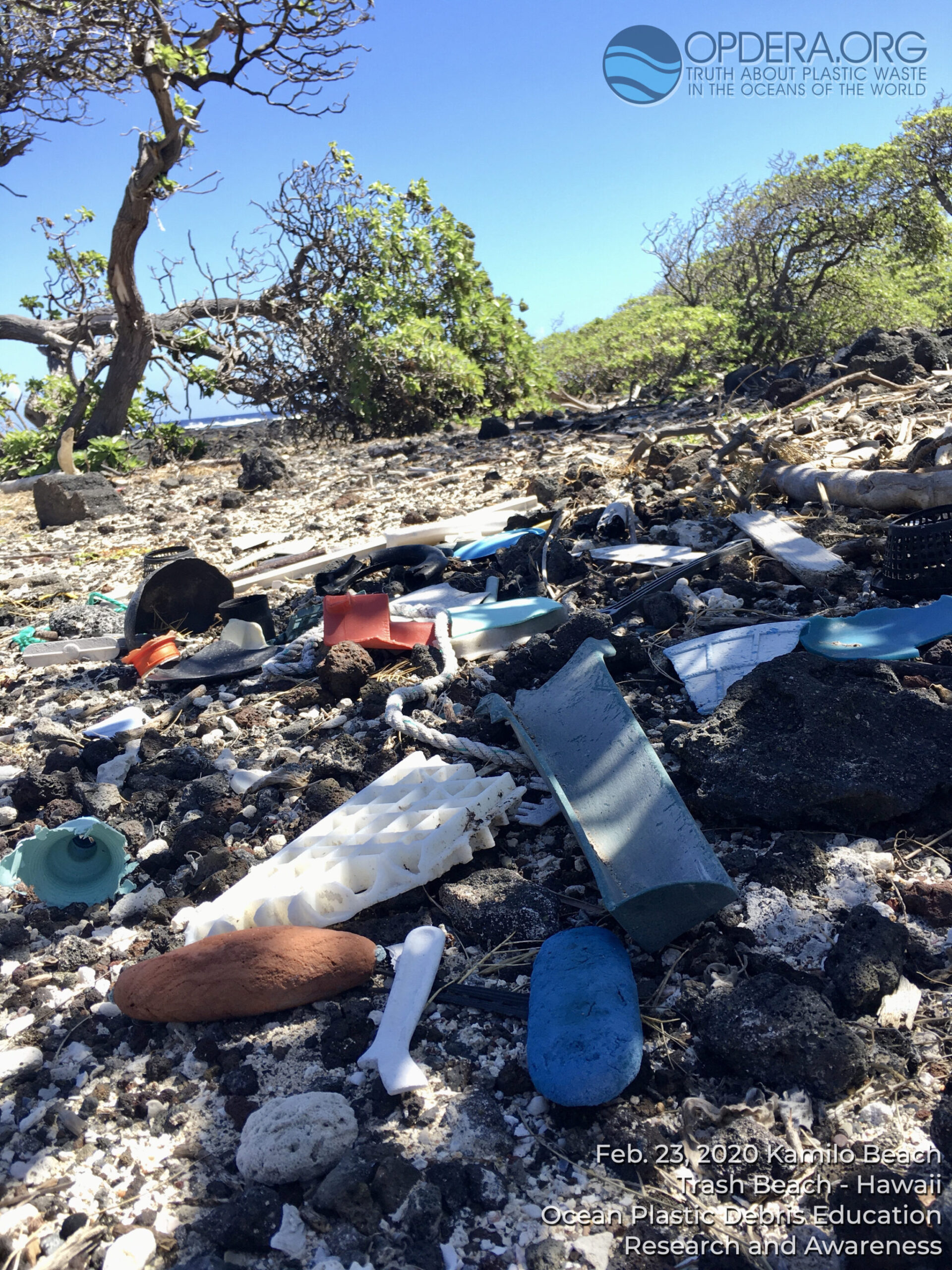
    Kamilo beach, on the big island of hawaii, is known globally as trash beach.

    They make you feel bad about yourself while also making you feel good about them.

    Big brands and big plastic have told us to recycle, knowing that recycling plastic doesn’t work. They had no intention that the plastic would ever be recycled. They make you feel good about their brand and make you feel bad about yourself by saying that you need to stop the plastic pollution problem. It’s your fault, they say. You should do better, they say. You should get your community involved, they say. You can solve this problem, they say. They don’t say that they will stop supplying plastic. They don’t provide you with any alternative packaging options. They don’t pick up your plastic waste themselves and properly dispose of it. They keep making more plastic and blaming you for it while they don’t provide any alternatives.

    An example of corporate propaganda convincing consumers that the brand is not to blame, but the consumers are, is happening right now. This branding campaign with a considerable budget tells you that you are the problem, yet they are upstanding stewards of the Earth. As Janell pointed out in her blog post on Feb 25th, 2020, Lawsuit Calls Out Big Plastic; major brands have been lying to you for decades, spending billions of dollars to convince you that they are good and you need to do your part by recycling.

    Plastic cannot be recycled. We know that now. It was all shipped to third-world countries without any expectation that it would be recycled. Big plastic never cared and doesn’t care now. Brands like Coca-Cola, Pepsi, P&G, Unilever, Chevron, Exxon, and many more all teamed up together to sell more plastic by telling you it was safe and recyclable, and you need to do your part. Well, they knew all along that plastic cannot be recycled, and now we are choking on it.

    Plastic is in every breath of air you take, every glass of water you drink (even if it’s tap water), in every snowball you throw and flake you catch on your tongue, and in every raindrop. It’s in all your food, no matter what you eat, even if it’s a vegetable you grew in your own garden, there is plastic in it. It seems like the lie will continue from big brands and big plastic. P&G, Proctor & Gamble, just launched a new ad campaign aimed at making you feel good about them and bad about you, even though they don’t provide you with an alternative to plastic and they don’t clean up their mess. Fast Company published a great article on this subject:

    “Why P&G is asking you to change your habits to save the planet.”

    A young girl named Louisa is a cosmic space traveler who has decided to make Earth her new home planet. She takes the opportunity to point out some new rules that will require us to adjust our consumption habits to save her newly adopted residence. Use cold water. Use less water and electricity. Use recycled plastic and less packaging. “Resource conservation is vital,” she says as Dad turns off the tap while shaving. “My beautiful planet will be respected, which may require some sacrifices.”

    Fast Company’s Jeff Beer writes: Why P&G is asking you to change your habits to save the planet  You can read the full article here: Tide – P&G

  • Plastic In The Air

    Plastic In The Air

    Pentagram partner Giorgia Lupi and her team have developed “Plastic Air,” a web-based, interactive experience that vivifies a type of pollution that most people don’t even know exists: airborne microplastic deposition, the result of ever-increasing global plastic production and consumption. The project was developed in collaboration with Google Arts & Culture and released to coincide with Earth Day 2021.

    This interactive tool allows you to see what the plastic particles are in the air you breathe, what they are made of – chemicals and toxins, and where they came from.  Place your mouse over a piece of plastic until the white box appears, then line up the white line with the center of the plastic object.  You will see what it is comprised of, what its original source is; shower curtain, shampoo bottle, coffee cup…, and an estimate of how far it has traveled, many miles. 

    Click here  “Plastic Air,” Give it a go!

  • Plastic is falling from the sky. Where it’s coming from will surprise you.

    Plastic is falling from the sky. Where it’s coming from will surprise you.

    micro plastic, plastic waste, hawaii, ocean plastic, opdera
    Kamilo beach, on the big island of hawaii, is known globally as trash beach.

    At any given time, 1,100 tons of microplastic are floating over the western US. New modeling shows the surprising sources of the nefarious pollutant. In this article published in WIRED and written by Matt Simon, you will gain an understanding of how microplastics travel in the atmosphere. As I first wrote last year in my blog post The Plastic Cloud, I described out microplastics in the ocean are carried long distances in clouds after being carried in water droplets during evaporation. The rain is full of plastic, everywhere in the world. Matt Simon’s story expands on this and shows how plastic waste on land makes its way into the air and furthers covers every inch of the earth.

    You can read the full article here: WIRED